


Entdecken Sie, wie geneigte Spiralfedern zur EMI-Abschirmung und für elektrische Kontaktanwendungen eingesetzt werden. Erfahren Sie, wie sie funktionieren, welche Vorteile sie bieten, welche Materialien verwendet werden und warum sie besser sind als herkömmliche EMI-Abschirmungslösungen.
Elektronische Systeme werden immer kleiner, schneller und komplexer, EMI-Abschirmung und eine zuverlässige elektrische Kontaktleistung sind zu kritischen Designanforderungen geworden. Elektromagnetische Störungen (EMI) können die Signalintegrität beeinträchtigen, die Systemzuverlässigkeit verringern und die Einhaltung internationaler EMV-Normen gefährden.
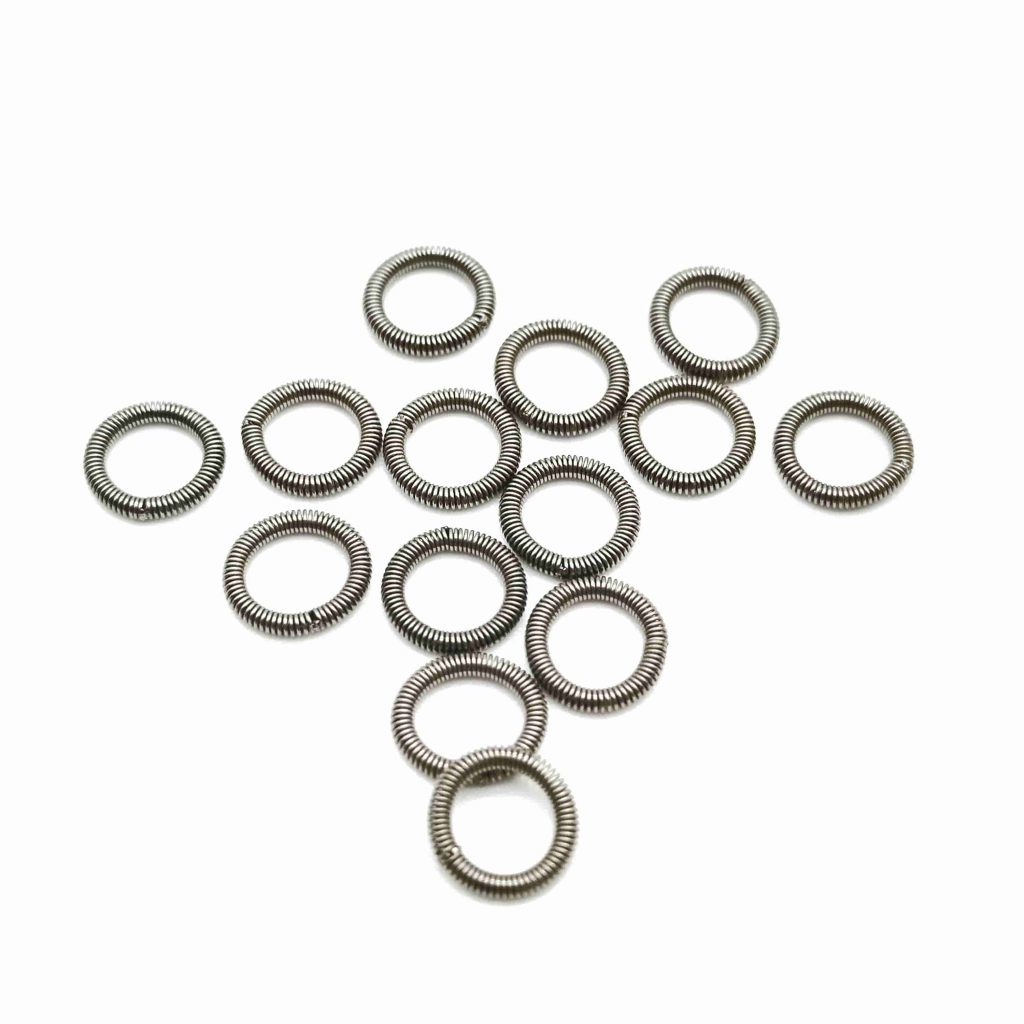
Eine hochwirksame, aber oft übersehene Lösung ist die Schrägzugfeder. Ursprünglich für hochzuverlässige mechanische Anwendungen entwickelt, sind schräge Schraubenfedern heute weit verbreitet in EMI-Abschirmung und elektrische Kontaktanwendungen in den Bereichen Luft- und Raumfahrt, Verteidigung, medizinische Geräte, Halbleiterausrüstung und Hochleistungselektronik.
In diesem Artikel wird untersucht, wie schräge Schraubenfedern ermöglichen eine hervorragende EMI-Abschirmung und elektrische Kontaktleistung, wie sie funktionieren, welche Vorteile sie gegenüber herkömmlichen Abschirmungsmethoden haben und welche Überlegungen Ingenieure bei der Konstruktion anstellen sollten.
Elektromagnetische Störungen (EMI) sind unerwünschte elektromagnetische Energie, die den normalen Betrieb elektronischer Geräte stört. EMI kann intern durch elektronische Komponenten oder extern durch nahe gelegene Geräte erzeugt werden.
Ohne wirksame EMI-Abschirmung, kann es zu Problemen mit den Systemen kommen:
Eine wirksame EMI-Abschirmung erfordert mehr als nur ein leitfähiges Material - sie hängt ab von beständiger, niederohmiger elektrischer Kontakt zwischen den zueinander passenden Oberflächen.
Die wichtigsten Anforderungen sind:
Hier bieten geneigte Schraubenfedern einen deutlichen Vorteil.
A Schrägzugfeder ist eine Präzisionsfeder, die durch Wickeln von Draht in einem bestimmten Winkel zur Federachse hergestellt wird. Im Gegensatz zu herkömmlichen Druckfedern sind die Windungen absichtlich geneigt, so dass sie sich biegen, drehen und die Last während der Kompression gleichmäßig verteilen können.
Diese einzigartige Geometrie ermöglicht es der geneigten Spiralfeder, die gewünschte Leistung zu erbringen:
Unter EMI-Abschirmungsanwendungen, Eine schräg gestellte Spiralfeder fungiert als durchgehende leitende Schnittstelle zwischen zwei Oberflächen und sorgt für eine effektive Erdung und Signaleindämmung.
Wenn die Feder in einer Nut installiert und zusammengedrückt wird, übt sie einen gleichmäßigen Druck auf die Gegenflächen aus und bildet so eine zuverlässige elektrische 360-Grad-Verbindung.
Im Gegensatz zu Fingerstock- oder gestanzten Kontakten kompensieren schräge Spiralfedern automatisch:
Dieses selbstregulierende Verhalten gewährleistet eine gleichbleibende EMI-Abschirmleistung über die gesamte Lebensdauer des Produkts.
Gekantete Schraubenfedern zeichnen sich aus als elektrische Kontakte aufgrund ihrer mechanischen und leitfähigen Eigenschaften.
Dank dieser Eigenschaften eignen sich schräge Spiralfedern ideal für Steckverbinder, Erdungspfade, Batteriekontakte und Abschirmungsanschlüsse.
| Merkmal | Canted Coil Feder | Fingerstock | Leitfähiges Elastomer |
|---|---|---|---|
| Wirksamkeit der EMI-Abschirmung | Ausgezeichnet | Gut | Gut |
| Konsistenz der Kontaktkraft | Ausgezeichnet | Schlecht | Messe |
| Ermüdung Leben | Sehr lang | Begrenzt | Mäßig |
| Elektrische Leitfähigkeit | Ausgezeichnet | Ausgezeichnet | Mäßig |
| Druckverformungsrest | Minimal | K.A. | Hoch |
| Einbau in Rillen | Ja | Begrenzt | Ja |
Sowohl von einem EMI-Abschirmung und dem elektrischen Kontaktstandpunkt bieten geneigte Schraubenfedern eine überlegene Langzeitleistung.
Die Materialauswahl spielt eine entscheidende Rolle für die Wirksamkeit und Haltbarkeit der EMI-Abschirmung.
| Material | Wichtigste Vorteile |
|---|---|
| Beryllium-Kupfer | Ausgezeichnete Leitfähigkeit, Ermüdungsfestigkeit |
| Rostfreier Stahl | Korrosionsbeständigkeit |
| Elgiloy®. | Hohe Festigkeit und lange Ermüdungslebensdauer |
| Inconel®. | Leistung bei hohen Temperaturen |
| Phosphor-Bronze | Gute Leitfähigkeit und Verformbarkeit |
Beschichtungsoptionen wie Zinn, Silber oder Gold können die EMI-Abschirmung und Korrosionsbeständigkeit weiter verbessern.
Die richtige Gestaltung der Rillen ist für eine optimale EMI-Abschirmung unerlässlich.
| Rille Typ | Typische Anwendung |
|---|---|
| Rechteckige Rille | Standard-EMI-Abschirmung |
| Schwalbenschwanz-Nut | Umgebungen mit hohen Vibrationen |
| Kegelförmige Rille | Einfache Installation |
| V-Rille | Kompakte Ausführungen |
Das korrekte Rillendesign gewährleistet eine gleichmäßige Kompression und einen zuverlässigen elektrischen Kontakt.
Gekantete Spiralfedern werden in einer breiten Palette von EMI-Abschirmung und elektrische Kontaktanwendungen, einschließlich:
Ihre Fähigkeit, die EMI-Abschirmung auch bei extremen Vibrationen und Temperaturen stabil zu halten, macht sie ideal für unternehmenskritische Systeme.
Gekippte Spiralfedern erhalten die Wirksamkeit der EMI-Abschirmung unter:
Im Gegensatz zu leitfähigen Elastomeren leiden sie nicht unter Druckverformung oder Materialalterung.
Die meisten EMI-abschirmende schräge Schraubenfedern sind maßgeschneidert, um spezifische Anwendungsanforderungen zu erfüllen.
Die individuelle Anpassung gewährleistet eine optimale EMI-Abschirmung und elektrische Kontaktleistung.
Vom Standpunkt der Konstruktion aus betrachtet, helfen geneigte Schraubenfedern den Ingenieuren:
Sie ersetzen oft mehrere Komponenten durch eine einzige multifunktionale Lösung.
Gekantete Spiralfedern unterstützen die Einhaltung gängiger EMI/EMC-Normen wie z. B.:
Ihre vorhersehbare Leistung trägt dazu bei, eine gleichbleibende Abschirmwirkung während der Zertifizierungstests zu gewährleisten.
Gekantete Spiralfedern für EMI-Abschirmung und elektrische Kontaktanwendungen bieten eine einzigartige Kombination aus mechanischer Zuverlässigkeit und elektrischer Leistung. Ihr abgewinkeltes Spulendesign sorgt für gleichbleibende Kontaktkraft, hervorragende EMI-Abschirmung und langfristige Haltbarkeit in anspruchsvollen Umgebungen.
Im Vergleich zu herkömmlichen EMI-Abschirmungslösungen bieten geneigte Spiralfedern eine höhere Ermüdungsfestigkeit, einen stabilen elektrischen Kontakt und eine bessere Anpassungsfähigkeit an komplexe mechanische Toleranzen. Für Ingenieure, die hochzuverlässige elektronische Systeme entwerfen, stellen sie eine der effektivsten EMI-Abschirmungslösungen dar, die heute verfügbar sind.