Helical Spring Design Guide: Formulas, Calculations & Best Practices

Master helical spring design with essential formulas, calculations, and best practices. Learn how to calculate spring rate, stress, deflection, and choose materials for compression, extension, and torsion springs.


Introduction

Helical springs are fundamental mechanical components found in everything from automotive suspensions and industrial machinery to medical devices and semiconductor equipment. Designing a reliable helical spring requires a solid understanding of the underlying physics, material properties, and manufacturing constraints.

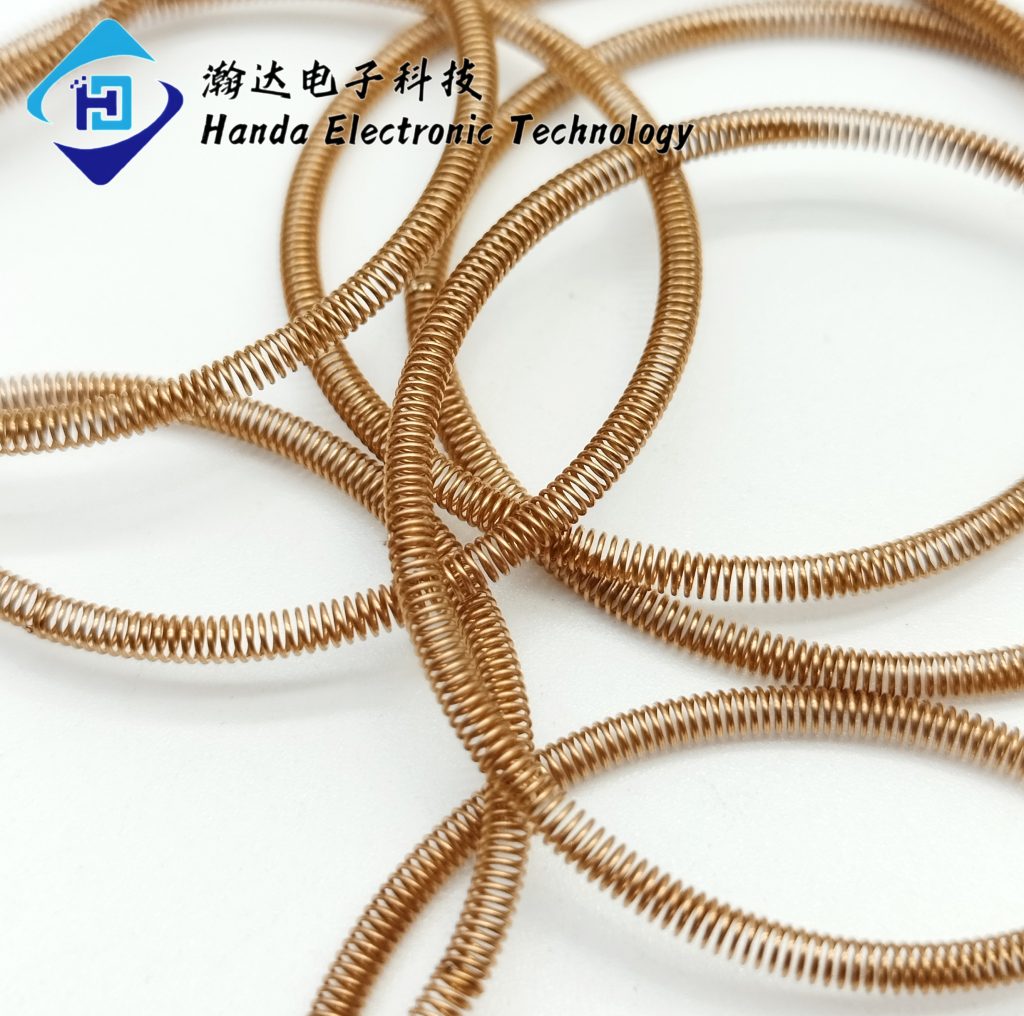
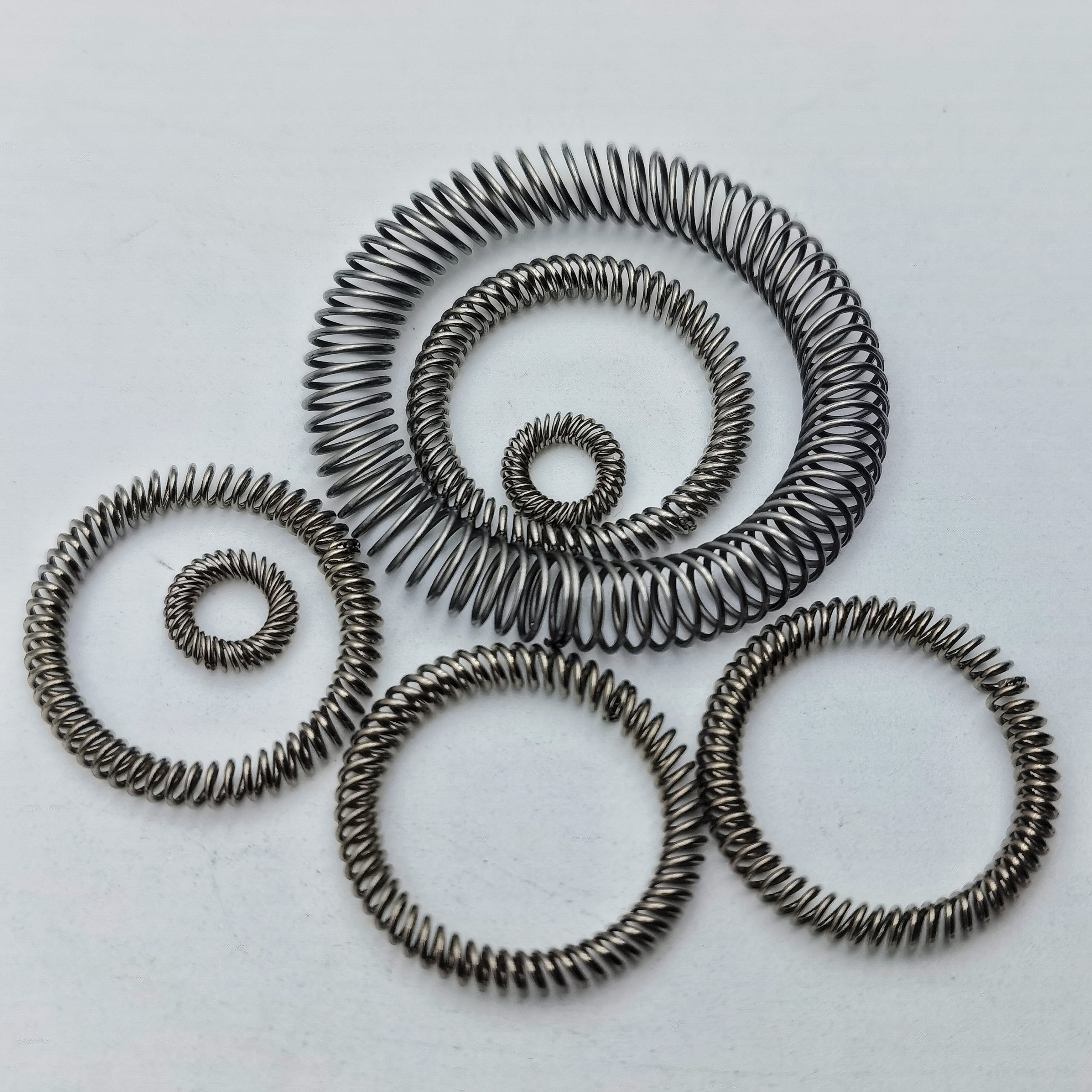
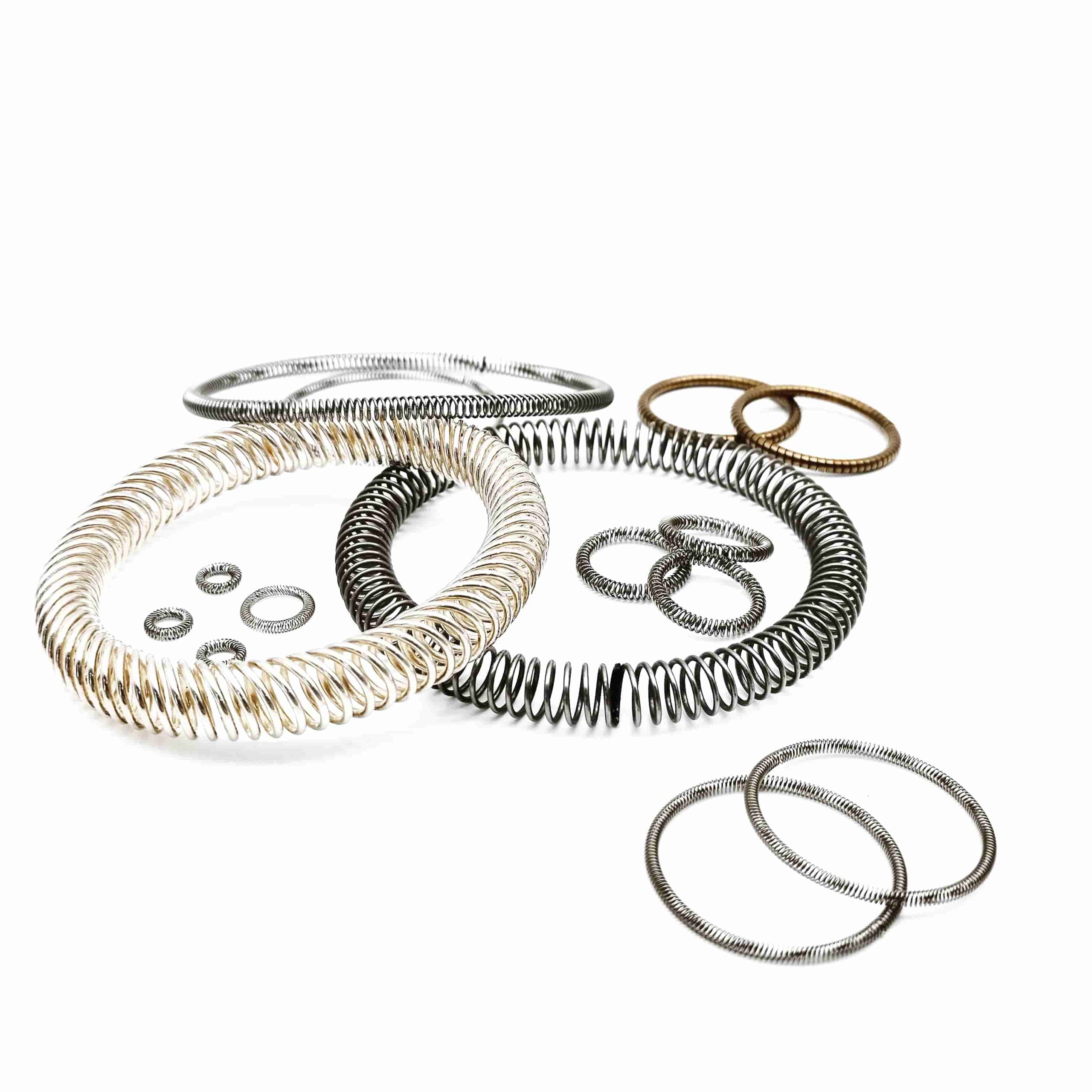
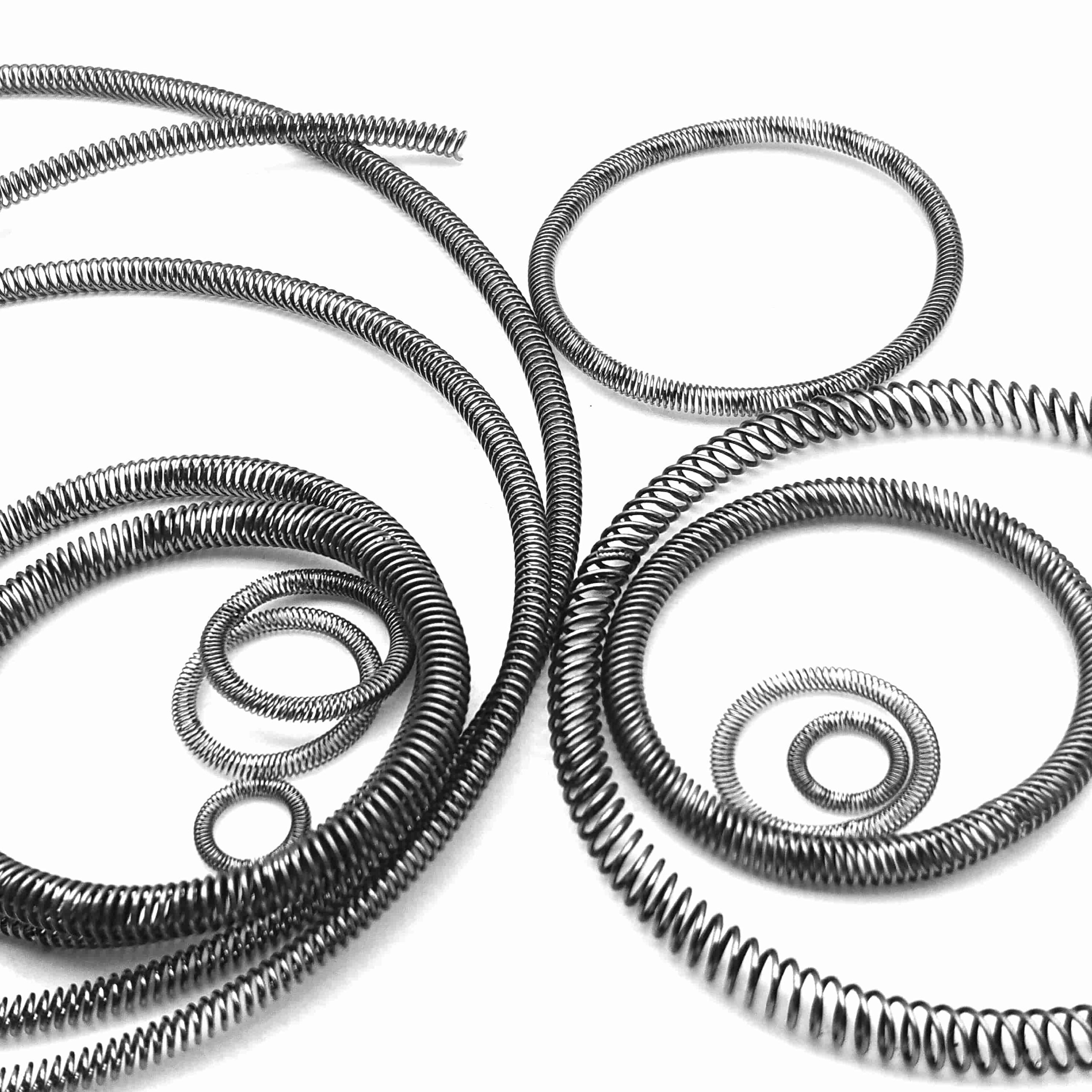
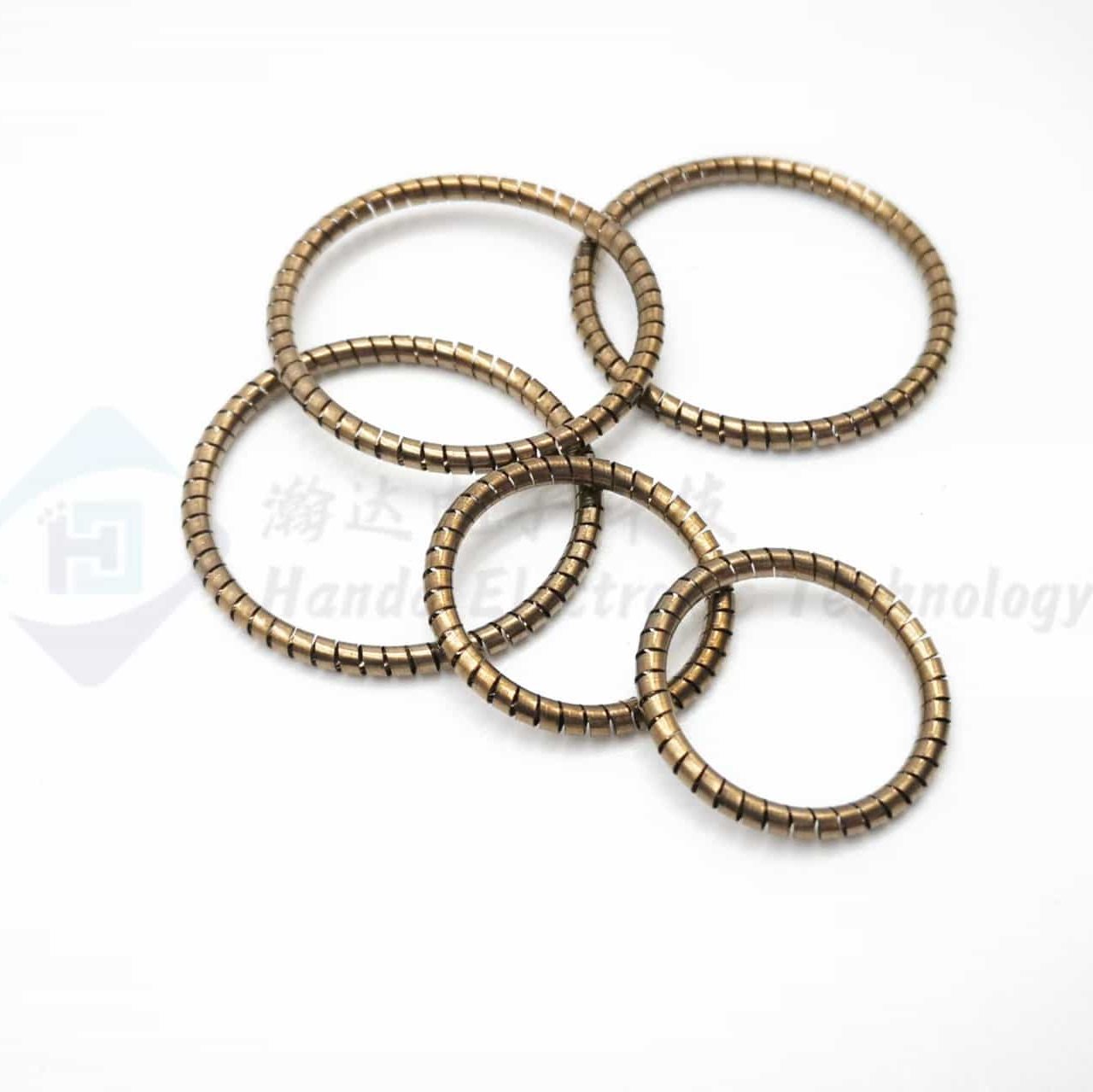
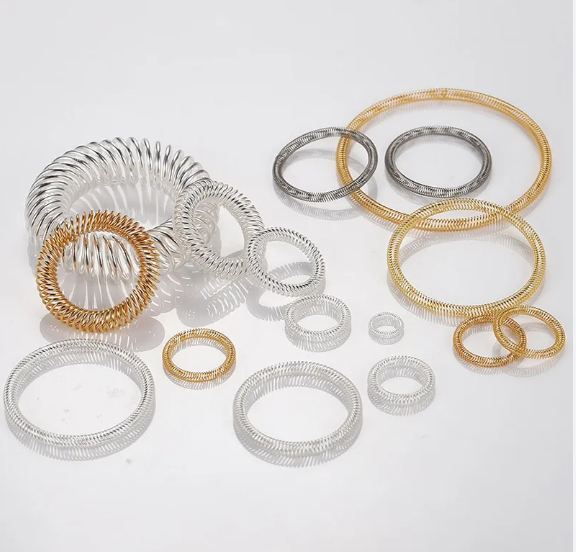
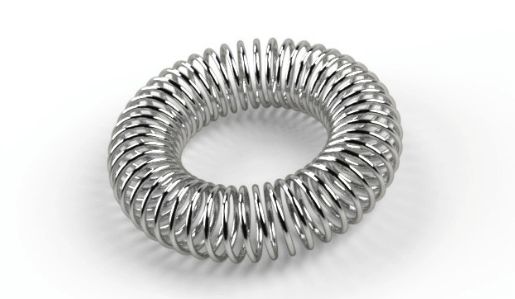
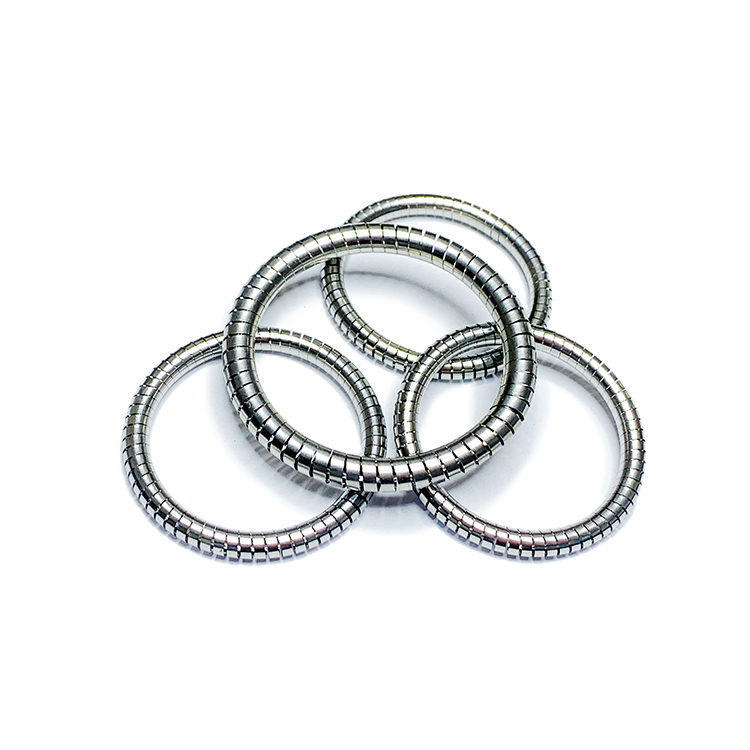
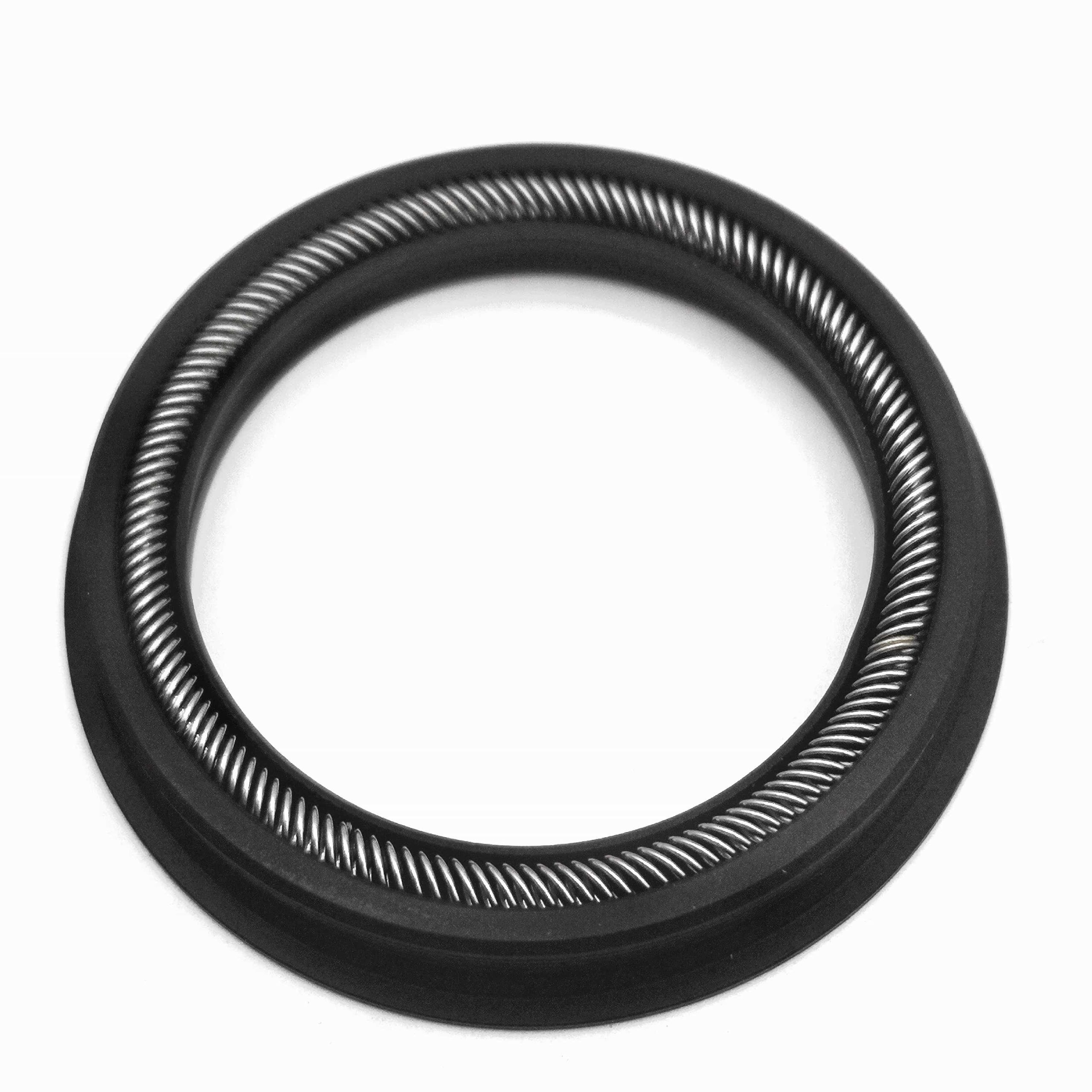
Helical springs

This comprehensive guide covers the key formulas, step-by-step calculations, and industry best practices for designing compression, tension, and torsion springs. Whether you are an engineer developing a new product or a procurement specialist evaluating spring specifications, this guide will help you make informed decisions.


1. Basic Geometry of Helical Springs

Before diving into formulas, let’s define the basic geometric parameters:

ParameterSymbolDescription
Wire diameterdDiameter of the wire used to form the spring
Mean coil diameterDAverage of outer and inner diameters (D = OD – d = ID + d)
Outer diameterODD + d
Inner diameterIDD – d
Free lengthL₀Length of the spring when unloaded
Solid heightLₛLength when all coils are compressed together
Number of active coilsNₐCoils that participate in spring action (excluding closed ends)
Total coilsNₜActive coils plus inactive end coils
PitchpDistance between adjacent coils (p = L₀ / Nₜ for compression springs)
Spring indexCC = D / d (should be between 4 and 12 for manufacturability)

2. Spring Rate (Stiffness) Formula

The spring rate (or stiffness) defines the force required to produce a unit deflection.

For Compression and Tension Springs

The fundamental formula is:

k = (G × d⁴) / (8 × D³ × Nₐ)

Where:

  • k = spring rate (N/mm or lb/in)
  • G = shear modulus of the material (MPa or psi)
  • d = wire diameter (mm or in)
  • D = mean coil diameter (mm or in)
  • Nₐ = number of active coils

Typical Shear Modulus Values

MaterialG (MPa)G (psi)
Music wire79,00011.5 × 10⁶
Stainless steel (302/304)69,00010.0 × 10⁶
17-7PH75,00010.9 × 10⁶
Inconel X-75076,00011.0 × 10⁶
Beryllium copper48,0007.0 × 10⁶

For Torsion Springs

The torsional spring rate (torque per angular deflection) is:

k_t = (E × d⁴) / (10.8 × D × Nₐ)

Where:

  • k_t = torque rate (N·mm/degree or lb·in/degree)
  • E = Young’s modulus (MPa or psi)

3. Stress Calculations

Ensuring that the spring operates below the material’s yield strength is critical to avoid permanent deformation.

Torsional Stress (Compression/Tension Springs)

The maximum torsional stress occurs at the inner fiber of the coil:

τ = (8 × P × D × K) / (π × d³)

Where:

  • P = applied load (N)
  • K = Wahl factor (accounts for curvature and direct shear)

Wahl factor formula:

K = (4C – 1) / (4C – 4) + 0.615 / C

For quick estimation, when C is between 4 and 12, K ranges from about 1.2 to 1.4.

Allowable Stress Guidelines

Application% of Tensile StrengthSafety Factor
Static (infrequent cycles)45-50%2.0 – 2.2
Dynamic (high cycle, >10⁶ cycles)30-35%2.8 – 3.3
Shock loading25-30%3.3 – 4.0

For Torsion Springs

Bending stress (not torsional) is the primary concern:

σ = (32 × M) / (π × d³)

Where M is the applied bending moment (torque).


4. Deflection and Solid Height

Compression Spring Deflection

The deflection under load is simply:

δ = P / k

The spring should never be compressed to solid height in normal operation. A typical safety margin is 10-15% of free length.

Lₛ = d × Nₜ

Where Nₜ = total number of coils (including closed ends).

Maximum Safe Deflection

δ_max = (π × d² × τ_max × D × Nₐ) / (4 × P)

Or more practically, limit deflection to 75-80% of (L₀ – Lₛ).


5. Buckling Considerations

Long, slender compression springs may buckle (bend sideways) before reaching their rated deflection. To prevent buckling:

L₀ / D < 4 for unsupported ends
L₀ / D < 2.5 for guided ends

If these ratios are exceeded, consider using a spring guide rod or a larger diameter spring.


6. Material Selection Best Practices

EnvironmentRecommended Material
General indoor, low costMusic wire (ASTM A228)
Moisture, mild corrosion302/304 stainless steel
Marine, chemical exposure316 stainless steel
High temperature (>250°C)Inconel X-750, 17-7PH
Sour gas (H₂S), medicalElgiloy, MP35N
Non-magnetic, conductiveBeryllium copper

Material Hardness and Tensile Strength

Spring materials are typically supplied in the cold-drawn or cold-rolled condition. Tensile strength decreases with increasing wire diameter. For music wire, approximate tensile strength:

S_ut ≈ 2000 × d^(-0.16) (MPa, d in mm)


7. End Configurations

Compression Spring Ends

End TypeDescriptionImpact
Open ends, not groundCoils not closed; least expensiveBuckling risk, uneven load
Closed ends, not groundEnd coils flattenedImproved seating
Closed and ground endsFlattened and ground flatBest for precision applications
Closed, ground, and squaredEnd coils closed and ground perpendicular to axisMaximum stability

Tension Spring Ends

  • Machine hooks – simplest, cost-effective
  • Cross‑over center loops – better alignment
  • Extended hooks – for attachment to thick parts
  • Threaded inserts – for high-strength connections

8. Design Process Step-by-Step

Follow this workflow to design a helical spring:


9. Practical Example: Compression Spring Design

Requirement: Design a compression spring for a valve that must provide 50 N force at 15 mm deflection. Maximum outer diameter 12 mm. Operating temperature 100°C, 50,000 cycles. Stainless steel material.

Step 1 – Material: 302 stainless steel (G = 69,000 MPa, good for 100°C).

Step 2 – Choose spring index: C = 6 (typical).

Step 3 – Estimate wire diameter: Assume OD = 12 mm, so D = OD – d. Also C = D/d = 6 → D = 6d. Then OD = 6d + d = 7d = 12 mm → d = 1.71 mm. Use d = 1.7 mm.

Step 4 – Mean diameter: D = 6 × 1.7 = 10.2 mm. OD = 10.2 + 1.7 = 11.9 mm (<12 mm OK).

Step 5 – Required spring rate: k = P / δ = 50 N / 15 mm = 3.33 N/mm.

Step 6 – Solve for active coils Nₐ:

k = (G × d⁴) / (8 × D³ × Nₐ) → Nₐ = (G × d⁴) / (8 × D³ × k)

d⁴ = 1.7⁴ = 8.35 mm⁴
D³ = 10.2³ = 1061 mm³

Nₐ = (69,000 × 8.35) / (8 × 1061 × 3.33) = (576,150) / (28,277) ≈ 20.4 → use Nₐ = 20

Step 7 – Calculate solid height: Assume closed ends (2 inactive coils). Nₜ = 20 + 2 = 22. Solid height Lₛ = Nₜ × d = 22 × 1.7 = 37.4 mm.

Step 8 – Free length: Deflection at load = 15 mm. To avoid solid height, L₀ > Lₛ + δ = 37.4 + 15 = 52.4 mm. Use L₀ = 55 mm.

Step 9 – Check stress: Wahl factor K = (4×6-1)/(4×6-4) + 0.615/6 = (23/20) + 0.1025 = 1.15 + 0.1025 = 1.2525.
Stress τ = (8 × P × D × K) / (π × d³) = (8 × 50 × 10.2 × 1.2525) / (π × 1.7³) = (5100) / (π × 4.913) = 5100 / 15.44 ≈ 330 MPa.

Allowable stress for 302 SS at 100°C, dynamic: ~0.35 × 800 MPa = 280 MPa. 330 MPa is slightly high. Increase wire diameter to 1.8 mm.

Revised: d=1.8, C=6 → D=10.8, OD=12.6 (slightly over 12 mm, but acceptable). Recalculate Nₐ, k, stress. Stress reduces to ~280 MPa. Acceptable.

10. Best Practices Summary
PracticeWhy
Keep spring index between 4 and 12Manufacturable, avoid buckling and stress concentration
Use closed and ground ends for precisionBetter load distribution, reduces buckling
Never operate compression springs near solid heightPrevents coil clash and premature failure
Add a safety margin of 10-15% on deflectionAccommodates manufacturing tolerances
Specify stress relief after coilingReduces residual stresses, improves fatigue life
Shot peen for high-cycle applicationsIncreases fatigue strength by 20-30%
Test prototypes under real conditionsValidate calculations and material behavior

11. Common Design Mistakes

  1. Ignoring spring index – C < 4 causes high stress; C > 12 leads to buckling.
  2. Overspecifying material – Using expensive alloys where music wire would work.
  3. Forgetting about solid height – Spring bottoms out, causing damage.
  4. Neglecting end configurations – Wrong ends cause instability or attachment failure.
  5. Overlooking temperature effects – High temperature reduces shear modulus and strength.
  6. Not calculating stress – Leads to permanent set or fatigue failure.

Conclusion

Designing a reliable helical spring requires careful consideration of geometry, material, stress, and operating conditions. By following the formulas and best practices outlined in this guide, you can create springs that perform consistently over their intended life.

Remember: always prototype and test critical spring designs. Theoretical calculations provide a starting point, but real-world validation is essential.

Need assistance with your helical spring design? Contact our engineering team for custom spring design, prototyping, and testing services.

CONTACT US