


캔트 코일 스프링 처짐 손실: 원인, 수정 및 설계 가이드
캔트 코일 스프링이 작동 중에 처짐이 발생하는 이유와 고장을 방지하는 방법을 이해합니다. 후난 한다의 주요 설계 요소, 재료 및 엔지니어링 솔루션에 대해 알아보세요.
의 편향 손실 이해 캔트 코일 스프링: 엔지니어링 원인, 진단 방법 및 입증된 솔루션(Handa 전문 지식 포함).캔트 코일 스프링(경사 코일 스프링, 캔트 스프링 또는 나선형 스프링 EMI 차폐 링이라고도 함)은 의료 기기, 항공우주 커넥터, 전기 모빌리티, 반도체 장비, EMI 차폐 시스템과 같은 중요한 분야에서 널리 사용됩니다. 모든 성능 관련 문제 중에서도 시스템 안정성에 직접적인 영향을 미치는 한 가지 고장 모드가 두드러집니다: 불충분한 압축 스트로크, 탄성 회복 감소 또는 조기 스프링 연화라고도 하는 처짐 손실입니다.
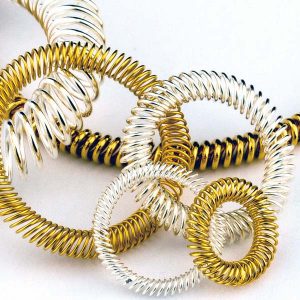
이 문서는 SEO 블로그의 가독성과 기술 백서의 깊이를 결합하여 엔지니어, 설계자 및 조달 전문가에게 캔트 코일 스프링의 처짐이 발생하는 이유, 근본 원인을 진단하는 방법, 장기적인 기능 안정성을 보장하는 시정 조치에 대한 360° 이해를 제공합니다. 이 분석은 기계 공학 원리, 재료 과학 통찰력 및 광범위한 적용 경험, 특히 정밀 캔트 코일 스프링 및 EMI 차폐 솔루션의 선도적인 제조업체인 Hunan Handa의 광범위한 적용 경험을 기반으로 합니다.
1. 캔트 코일 스프링에서 “처짐 손실”이란 정확히 무엇인가요?
(기본 키워드: 캔트 코일 스프링 편향 실패, 나선형 스프링 EMI 차폐의 편향 손실)
처짐 손실은 코일 스프링이 휘어진 상태를 말합니다:
의료용 커넥터나 EMI 개스킷과 같은 중요한 시스템에서 처짐이 발생하면 손실이 발생합니다:
이 장애 모드는 종종 점진적으로 진행되며 치명적인 장애가 발생할 때까지 눈에 띄지 않을 수 있습니다.
2. 편향 손실이 발생하는 일반적인 장면 (문제 현상 + 결과)
2.1 고부하 기계식 잠금 메커니즘
스프링이 과도하게 압축되어 회복 능력을 잃고 → 잠금 장치가 작동하지 않습니다.
2.2 의료 기기의 EMI 나선형 스프링 차폐 링
지속적인 압축 + 온도 순환 → 차폐 갭 발생 → EMI 누출 및 인증 실패.
2.3 고주기 커넥터
수만 번의 결합 주기 → 스프링의 힘이 떨어지고 접촉 저항이 상승합니다.
2.4 부적절한 그루브 디자인
홈이 너무 깊거나 너무 좁음 → 기계적 감금 → 스프링이 사용 가능한 스트로크에 도달하지 못함.
3. 처짐 손실의 공학적 원인(역학 + 재료 + 설계) 3.
다음은 기계 및 재료 과학적 추론과 함께 제시된 가장 가능성이 높은 네 가지 핵심 원인입니다.
원인 1: 과도한 부하 또는 과도한 압축(가장 일반적)
역학:
압축력이 탄성 한계를 초과하면 스프링이 소성 변형 영역으로 들어갑니다.
스트레스 모델
σ=FA\sigma = \frac{F}{A}σ=AF
σ가 σ_수율보다 크면 캔트 코일은 영구적으로 변형됩니다.
일반적인 현장 증상
발생하는 이유
원인 2: 부적절한 그루브 형상(설계 수준 실패)
홈은 스프링의 작동 범위를 정의합니다. 지오메트리가 잘못되면 처짐이 심각하게 제한됩니다.
일반적인 그루브 실수
텍스트 기반 다이어그램(SEO 친화적)
올바른 그루브: 그루브가 너무 좁습니다:
| | | | |
| o | → | o | |
| | | | |
엔지니어링 효과
사용 가능한 스트로크 감소 → 편향의 조기 손실.
원인 3: 재료 수율 강도 또는 온도 저항이 너무 낮음
중요한 문제는 다음과 같습니다.
소재 성능 비교
| 재료 | 수율 강도 | 온도 저항 | 적합성 |
| 엘길로이® | ★★★★★ | ★★★★★ | EMI, 고주기, 의료 |
| 17-7PH | ★★★★☆ | ★★★☆☆ | 기계 부품 |
| 인코넬 X-750 | ★★★★★ | ★★★★★ | 고온 밀봉 |
| 316L | ★★☆☆☆ | ★★☆☆☆ | 일반 사용, 낮은 스트레스 |
결론
재료 강도 <가해진 하중 → 처짐 손실이 불가피한 경우.
원인 4: 고주기 반복으로 인한 피로 장애
커넥터에 사용되는 캔트 코일 스프링은 보통 10,000~100,000회 사이클을 경험합니다.
피로 스트레스 공식
σf=σmax−σmin\sigma_f = \sigma_{max} - 시그마_{min}σf=σmax-σmin
일반적인 증상
4. 솔루션 처짐 손실을 방지하는 방법(실행 가능한 엔지니어링 가이드라인)
아래는 각 근본 원인에 직접 연결된 대상 솔루션입니다.
원인 1의 해결 방법: 과도한 압축
원인 2의 해결 방법: 잘못된 그루브 디자인
권장 지오메트리
편향 손실 설계 표
| 그루브 문제 | 효과 | 솔루션 |
| 너무 좁음 | 감금 | 너비 늘리기 |
| 너무 깊게 | 제한된 스트로크 | 깊이 감소 |
| 잘못된 다이아. | 사전 로드 | 허용 오차 조정 |
원인 3의 해결 방법: 자료 불일치
소재 선택 가이드
추가 재료 처리
원인 4의 해결 방법: 피로
5. 주요 선정 기준 및 예방 조치
선택 기준
예방적 유지보수
6. 확장 질문: 비용, 대안, 테스트
6.1 비용 고려 사항
6.2 캔트 코일 스프링의 대안
6.3 처짐 손실 테스트 방법
결론 결론: 정밀 엔지니어링을 통한 장기적인 성능 보장 - 후난 한다가 업계를 선도하는 이유
캔트 코일 스프링의 처짐 손실은 하중, 재료 특성, 그루브 설계, 피로 응력과 관련된 복잡한 엔지니어링 문제입니다. 엔지니어는 올바른 소재, 최적화된 그루브 형상, 정밀한 코일 설계, 적절한 설치 방법을 결합하여 스프링 수명과 시스템 신뢰성을 크게 늘릴 수 있습니다.
HANDA 는 정밀 캔트 코일 스프링, 나선형 스프링 EMI 차폐 링, 고주기 커넥터 스프링 및 맞춤형 금속 씰 솔루션을 전문으로 하는 업계 최고의 제조업체 중 하나입니다.
고급 와이어 성형 기술, 엄격한 공정 제어, 자체 힘-처짐 테스트를 통해 Handa는 모든 스프링이 극한의 하중, 온도 또는 사이클 조건에서도 안정적인 처짐 특성을 유지하도록 보장합니다.
의료, 항공우주, 반도체 또는 EMI 차폐 시스템의 고신뢰성 애플리케이션을 위해 Handa의 캔트 코일 스프링은 검증된 성능, 엔지니어링된 정밀도 및 장기적인 안정성을 제공합니다.
Emai: sale01@handashielding.com