


Выбираете подходящий материал для конических спиральных пружин в жестких условиях эксплуатации? В этом руководстве рассматриваются нержавеющая сталь, экзотические сплавы, варианты покрытия, а также такие факторы, как температура, коррозия и усталость, для обеспечения надежной герметизации и защиты от электромагнитных помех.
Пружины со скошенными витками являются важнейшими компонентами в таких ответственных областях применения, как полупроводниковое оборудование, аэрокосмические системы, нефтегазовые скважинные инструменты и медицинские приборы. Уникальная характеристика почти постоянной силы, множество точек контакта и способность компенсировать несоосность делают их идеальными для уплотнения, экранирования электромагнитных помех и электрических соединений.
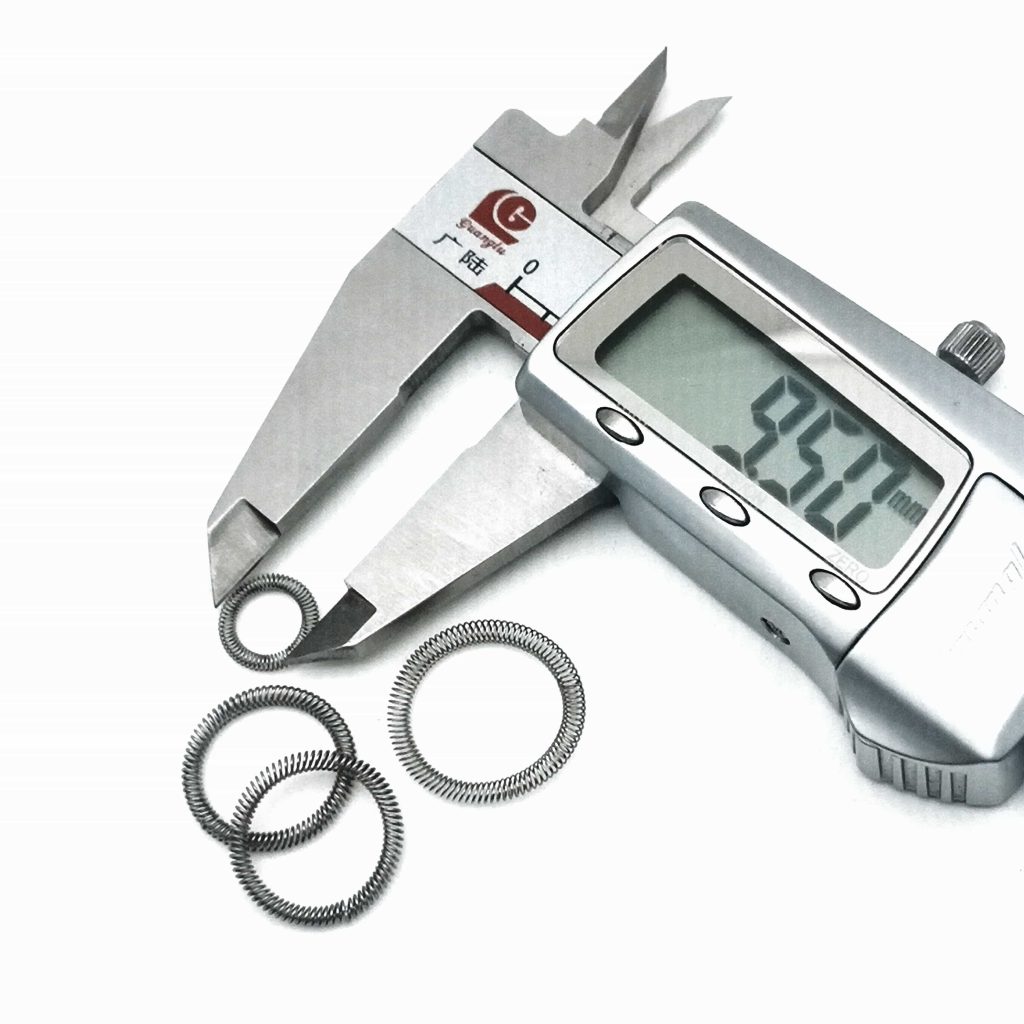
Однако, когда эти пружины подвергаются воздействию суровые условия - экстремальные температуры, агрессивные химические вещества, высокая радиация или повторяющиеся механические нагрузки - неправильный выбор материала может привести к преждевременному выходу из строя, потере контактной силы, коррозии или даже катастрофическому разрушению системы.
В данном руководстве представлен систематический подход к выбору оптимального материала для пружин с конической спиралью в жестких условиях эксплуатации, обеспечивающий баланс между производительностью, стоимостью и надежностью.
Прежде чем выбрать материал, необходимо определить конкретные задачи вашего приложения. Используйте следующий контрольный список для определения характеристик суровых условий эксплуатации:
| Экологический фактор | Ключевые вопросы | Потенциальное воздействие |
|---|---|---|
| Температура | Минимальная/максимальная рабочая температура? Цикличность? | Потеря эластичности, ползучесть, окисление |
| Коррозионные среды | Кислоты, щелочи, соляной туман, H₂S, влажность? | Точечная коррозия, коррозионное растрескивание под напряжением |
| Механическая нагрузка | Статика против динамики? Частота? Диапазон компрессии? | Усталость, постоянный набор, износ |
| Требования к электрооборудованию | Необходима проводимость? Заземление или защита от электромагнитных помех? | Контактное сопротивление, гальваническая совместимость |
| Магнитные поля | МРТ, чувствительная электроника? | Магнитные помехи, притяжение |
| Радиация | Гамма, нейтрон, ультрафиолет? | Охрупчивание, разрушение материала |
Получив этот профиль, вы сможете подобрать пружинный материал в соответствии с требованиями.
Пружины со скошенными витками обычно изготавливаются из металлических полос или проволоки. Ниже приведены наиболее распространенные семейства материалов и их характеристики.
| Класс | Основные свойства | Пригодность для работы в суровых условиях |
|---|---|---|
| 301 | Высокая прочность, хорошая формуемость, умеренная коррозионная стойкость | Подходит для слабых химикатов, сухих сред |
| 302 | Аналогичен 301, немного лучше сопротивляется коррозии | Общепромышленное использование |
| 304 | Отличная коррозионная стойкость к воздействию многих химических веществ | Хорошо подходит для пищевых продуктов, фармацевтики, слабых кислот |
| 316 / 316L | Повышенная устойчивость к хлоридам и питтингу (добавление Mo) | Отлично подходит для применения в морской, химической и медицинской промышленности |
| 17-7PH | Закалка осаждением, высокая прочность, хорошие пружинящие свойства | Аэрокосмическая промышленность, работа в условиях повышенных нагрузок до 315°C |
Лучшее для: Умеренная температура (от -40°C до 250°C), неагрессивные химические вещества, проекты, чувствительные к затратам.
| Сплав | Проводимость (% IACS) | Основные характеристики | Использование в суровых условиях |
|---|---|---|---|
| Бериллиевая медь (C17200) | 22-28% | Высокая прочность, отличная усталость, не искрит | Экранирование EMI, разъемы, скважинные инструменты (с гальваническим покрытием) |
| Фосфористая бронза (C51000) | 15% | Хорошая коррозионная стойкость, низкая стоимость | Морские, промышленные переключатели |
Лучшее для: Электрический контакт, защита от электромагнитных помех, немагнитные требования. Примечание: Бериллиевая медь требует правильного обращения при производстве.
| Сплав | Диапазон температур | Устойчивость к коррозии | Типовые применения |
|---|---|---|---|
| Inconel® 600 / 718 / X-750 | от -200°C до 650°C | Отличная стойкость к окислению и науглероживанию | Газовые турбины, ядерные реакторы, высокотемпературные уплотнения |
| Hastelloy® C-276 | от -200°C до 400°C | Выдающаяся устойчивость к точечной коррозии, щелевой коррозии и коррозионному растрескиванию под напряжением | Химическая переработка, кислый газ (H₂S), сероочистка дымовых газов |
| Elgiloy® (Phynox) | -250°C до 400°C | Высокая прочность, немагнитность, отличная усталостная прочность | Медицинские имплантаты, аэрокосмические приводы, скважинные инструменты |
| MP35N® | от -200°C до 400°C | Сверхвысокая прочность, коррозионная стойкость, немагнитность | Экстремальное давление и агрессивные среды (нефть и газ) |
Лучшее для: Температуры >250°C, < -50°C, агрессивные химические вещества, циклы высокой усталости.
Даже самый лучший материал основы может выиграть от защитного или функционального покрытия. Покрытия особенно важны, когда:
| Материал покрытия | Преимущества | Типичная толщина | Ограничения |
|---|---|---|---|
| Олово | Хорошая проводимость, возможность пайки, низкая стоимость | 2-8 мкм | Мягкая, ограниченная износостойкость |
| Никель | Твердый, устойчивый к коррозии, превосходный подстилающий слой | 2-12 мкм | Может влиять на магнитные свойства |
| Серебро | Высочайшая электропроводность, антиоксидант | 1-5 мкм | Дорогие, склонны к потускнению (но все же проводящие) |
| Золото | Отличная коррозионная стойкость, биосовместимость | 0,5-2 мкм | Очень дорого |
| Пассивация | Удаляет свободное железо, повышает коррозионную стойкость нержавеющей стали | Н/Д | Стандарт для SS серии 300 |
Рекомендация: Для самых жестких условий эксплуатации, связанных с солевым туманом, кислотами или влагой, никелирование поверх нержавеющей стали или бериллиевой меди обеспечивает экономически эффективный барьер. Для экранирования высокочастотных электромагнитных помех, серебряное покрытие предпочтительнее.
При выборе материала руководствуйтесь следующей схемой принятия решений:
Многократное нагревание и охлаждение может вызвать термическая усталость и постоянный набор. Сплавы с высоким сопротивлением ползучести (Inconel, Elgiloy, MP35N) предпочтительны для применения в циклических условиях.
| Материал | Сопротивление | Ограничение |
|---|---|---|
| 304 SS | Хорошо переносит органические кислоты, воду | Питтинг в хлоридах |
| 316 SS | Отлично подходит для хлоридов, морских | Ограничено в горячих сильных кислотах |
| Хастеллой C-276 | Исключительно для HCl, H₂SO₄, влажного хлора | Очень дорого |
| Бериллиевая медь | Хорошо подходит для различных сред | Атака аммиаком |
| Никель-молибденовые сплавы | Отличная общая коррозия, аналогичная 316 | Высокая стоимость |
| Никелирование | Хорошая защита, но царапины обнажают основание | Толщина имеет значение |
Для кислый газ (H₂S) среды (NACE MR0175), такие материалы, как Hastelloy C-276, MP35N и Elgiloy при правильной обработке соответствуют требованиям.
Пружины со скошенными витками в динамических приложениях (например, разъемы, возвратно-поступательные уплотнения) должны выдерживать от тысяч до миллионов циклов без значительной потери усилия.
| Материал | Относительная усталостная прочность | Примечания |
|---|---|---|
| 301 SS | Умеренный | Хорошо подходит для работы с малыми циклами (<10 тыс.) |
| 17-7PH | Высокий | Подходит для 10k-100k циклов |
| Бериллиевая медь | Очень высокий | Превосходно подходит для электрических контактов с высоким циклом (>100 тыс.) |
| Никель-молибденовые сплавы | Исключительный | 100 тыс.+ циклов, аэрокосмический класс |
| Инконель | Высокий | Хорошо переносит высокотемпературную усталость |
Совет по дизайну: Для применений, требующих >100 000 циклов, избегайте мягких материалов и следите за тем, чтобы сжатие не превышало 25-30% от свободной высоты, чтобы избежать перегрузки.
Выбор подходящего материала для конических пружин в жестких условиях эксплуатации - важнейшее инженерное решение, влияющее на безопасность, надежность и общую стоимость владения.
| Окружающая среда | Рекомендуемый материал | Покрытие |
|---|---|---|
| Общепромышленные | 304/316 SS | Нет / пассивация |
| Высокая температура (>250°C) | Инконель X-750 / Эльгилой | Нет |
| Криогенные (< -50°C) | 304/316 SS | Нет |
| Морские / хлориды | 316 SS | Пассивация / электролитический Ni |
| Сильные кислоты / H₂S | Хастеллой C-276 / MP35N | Нет / золото |
| Высокая проводимость / EMI | Бериллиевая медь | Серебро / олово |
| Усталость при высоких циклах | Эльгилой / бериллиевая медь | По мере необходимости |
Систематически анализируя условия эксплуатации - температуру, коррозию, механическую нагрузку и электрические потребности - вы сможете с уверенностью выбрать материал для конических пружин, который обеспечит долгосрочную работу и позволит избежать дорогостоящих отказов.
Для получения квалифицированной помощи в выборе материала или разработке индивидуальной конической спиральной пружины свяжитесь с нашей командой инженеров и сообщите детали вашей задачи.
