


Пружины с коническими витками теряют прогиб: Причины, способы устранения и руководство по проектированию
Узнайте, почему пружины с наклонной спиралью теряют прогиб во время работы и как предотвратить поломку. Узнайте о ключевых факторах конструкции, материалах и инженерных решениях от компании Hunan Handa.
Понимание потери прогиба в Пружины со скошенными витками: Инженерные причины, методы диагностики и проверенные решения (с экспертами Handa).Пружины со скошенными витками, также называемые пружинами со скошенными витками, коническими пружинами или спиральными пружинами, широко используются в таких критически важных отраслях, как медицинское оборудование, аэрокосмические разъемы, электромобили, полупроводниковое оборудование и системы экранирования электромагнитных помех. Среди всех проблем, связанных с эксплуатационными характеристиками, выделяется один вид отказа, который напрямую влияет на надежность системы: Потеря прогиба, также известная как недостаточный ход сжатия, уменьшение упругого восстановления или преждевременное размягчение пружины.
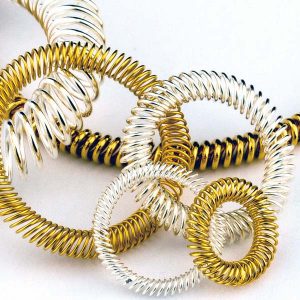
Эта статья сочетает в себе читабельность SEO-блога и глубину технического документа, предлагая инженерам, конструкторам и специалистам по закупкам 360° понимание того, почему пружины с наклонными витками теряют прогиб, как диагностировать основные причины и какие корректирующие действия обеспечивают долгосрочную функциональную стабильность. Анализ основан на принципах машиностроения, материаловедения и обширном опыте применения, особенно в компании Hunan Handa, ведущем производителе прецизионных пружин с конической спиралью и решений для экранирования электромагнитных помех.
1. Что такое “потеря прогиба” в пружинах со скошенными витками?
(Основные ключевые слова: Отказ пружины с конической спиралью при прогибе, потеря прогиба спиральной пружины ЭМИ-экранирование)
Потеря прогиба относится к состоянию, когда пружина наклонена:
В критически важных системах, таких как медицинские разъемы или электромагнитные прокладки, потеря прогиба приводит к:
Этот режим отказа часто прогрессирует и может оставаться незамеченным до тех пор, пока не произойдет катастрофический отказ.
2. Типичные ситуации, когда происходит потеря прогиба (проблемные явления + последствия)
2.1 Механические запорные механизмы для высоких нагрузок
Пружина сжимается слишком сильно, теряя способность к восстановлению → замок не срабатывает.
2.2 Экранирующие кольца из спиральной пружины для медицинских приборов
Постоянное сжатие + температурные циклы → появление экранирующего зазора → утечка ЭМИ и отказ в сертификации.
2.3 Высокочастотные разъемы
Десятки тысяч циклов сопряжения → сила пружины падает, контактное сопротивление растет.
2.4 Неправильная конструкция канавки
Слишком глубокая или слишком узкая канавка → механическое ограничение → пружина не может достичь своего рабочего хода.
3. Инженерные причины потери прогиба (механика + материалы + дизайн)
Ниже приведены четыре наиболее вероятные основные причины, представленные с обоснованием с точки зрения механики и материаловедения.
Причина 1: чрезмерная нагрузка или чрезмерное сжатие (наиболее распространенная)
Механика:
Когда сила сжатия превышает предел упругости, пружина переходит в область пластической деформации.
Модель стресса
σ=FA\sigma = \frac{F}{A}σ=AF
Когда σ ≥ σ_yield, конический виток деформируется окончательно.
Типичные симптомы в полевых условиях
Почему это происходит
Причина 2: Неправильная геометрия канавки (отказ на уровне конструкции)
Канавка определяет рабочую зону пружины. Неправильная геометрия сильно ограничивает прогиб.
Распространенные ошибки при изготовлении пазов
Текстовая диаграмма (удобная для SEO)
Правильная канавка: Слишком узкая канавка:
| | | | |
| O | → | O | | |
| | | | |
Инженерный эффект
Уменьшение свободного хода → ранняя потеря прогиба.
Причина 3: Слишком низкий предел текучести или температурная стойкость материала
Материальные проблемы включают
Сравнение характеристик материалов
| Материал | Предел текучести | Температурная стойкость | Пригодность |
| Elgiloy® | ★★★★★ | ★★★★★ | ЭМИ, высокочастотные, медицинские |
| 17-7PH | ★★★★☆ | ★★★☆☆ | Механические компоненты |
| Инконель X-750 | ★★★★★ | ★★★★★ | Высокотемпературное уплотнение |
| 316L | ★★☆☆☆ | ★★☆☆☆ | Общее использование, низкая нагрузка |
Заключение
Если прочность материала < приложенной нагрузки → потеря прогиба неизбежна.
Причина 4: Усталостное разрушение из-за большого числа повторений циклов
Пружины со скошенными витками, используемые в разъемах, часто выдерживают 10 000-100 000 циклов.
Формула усталостного напряжения
σf=σmax−σmin\sigma_f = \sigma_{max} - \sigma_{min}σf=σmax-σmin
Типичные симптомы
4. Решения: Как предотвратить потерю прогиба (практические рекомендации по проектированию)
Ниже приведены целевые решения, связанные непосредственно с каждой первопричиной.
Решение для причины 1: чрезмерное сжатие
Решение для причины 2: Неправильная конструкция канавки
Рекомендуемая геометрия
Расчетная таблица потери прогиба
| Проблема с канавками | Эффект | Решение |
| Слишком узкий | Содержание в тюрьме | Увеличить ширину |
| Слишком глубоко | Ограниченный ход | Уменьшить глубину |
| Неправильный диаметр. | Предварительная нагрузка | Отрегулируйте допуск |
Решение для причины 3: Несоответствие материалов
Руководство по выбору материала
Дополнительная обработка материалов
Решение для причины 4: Усталость
5. Стандарты выбора ключей и превентивные меры
Стандарты отбора
Профилактическое обслуживание
6. Расширенные вопросы: Стоимость, альтернативы, тестирование
6.1 Соображения, связанные с затратами
6.2 Альтернативы пружинам со скошенными витками
6.3 Методы испытаний на потерю прогиба
Заключение: Обеспечение долгосрочной производительности с помощью точного машиностроения - почему Hunan Handa лидирует в отрасли
Потеря прогиба в пружинах с наклонными витками - сложный инженерный вопрос, включающий нагрузку, свойства материала, конструкцию канавки и усталостное напряжение. Сочетание правильного материала, оптимизированной геометрии канавок, точной конструкции витков и правильных методов установки позволяет инженерам значительно увеличить срок службы пружин и надежность системы.
ХАНДА является одним из ведущих производителей, специализирующихся на прецизионных конических спиральных пружинах, спиральных кольцах для экранирования электромагнитных помех, пружинах для соединителей с высоким циклом работы и металлических уплотнениях, разработанных на заказ.
Благодаря передовой технологии формовки проволоки, строгому контролю процесса и собственным испытаниям на силу отклонения Handa гарантирует, что каждая пружина сохраняет стабильные характеристики отклонения даже в условиях экстремальной нагрузки, температуры или цикличности.
Для высоконадежных применений в медицинских, аэрокосмических, полупроводниковых и электромагнитных системах экранирования конические спиральные пружины Handa обеспечивают проверенную производительность, точность и долговременную стабильность.
Emai: sale01@handashielding.com