What Is a Detached Leg Spring? Design, Function, and Applications Explained

Learn what a detached leg spring is, how it works, and why it is used in electrical contacts and EMI shielding. Discover the design features, benefits, and applications of HANDA detached leg springs.

What Is a Detached Leg Spring?

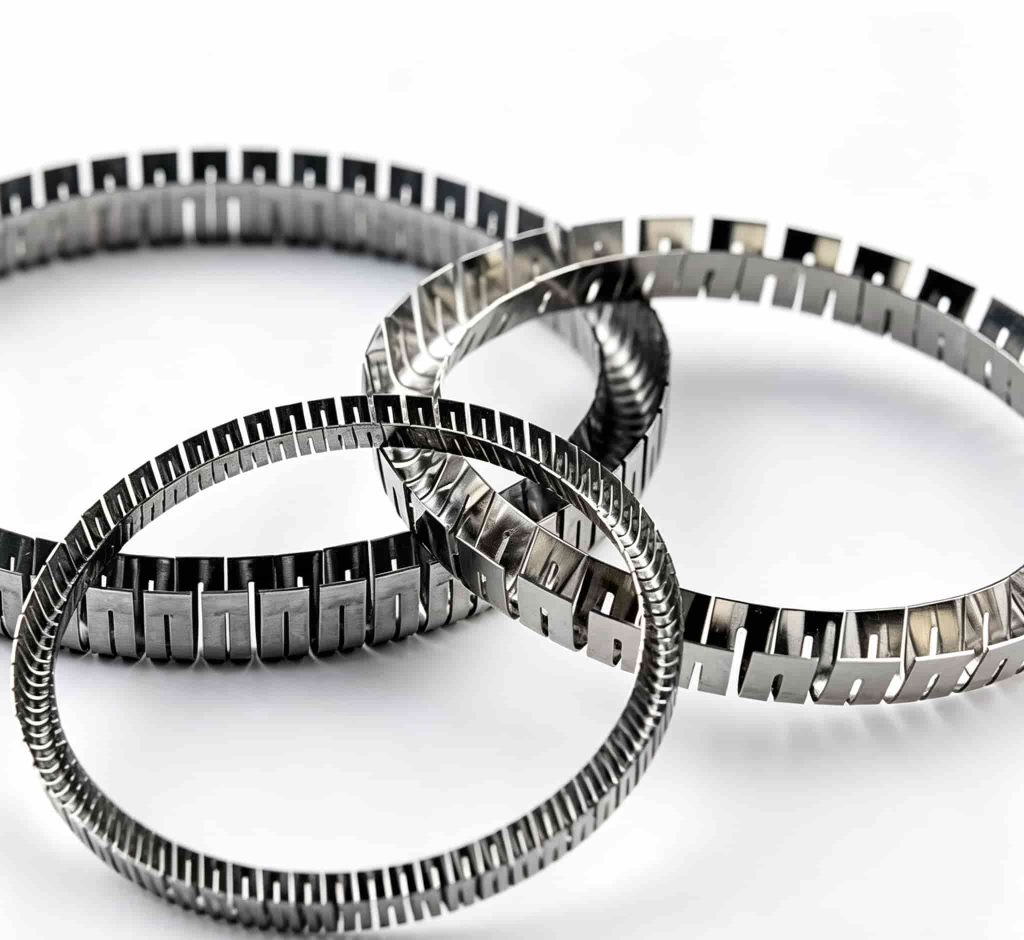
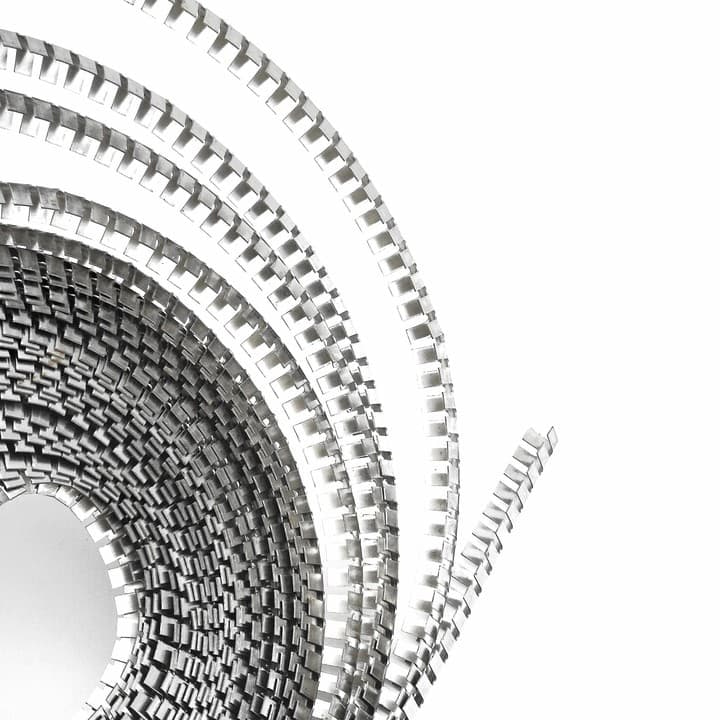
A detached leg spring is a specialized mechanical spring designed with separate leg structures that provide controlled contact force and flexibility. Unlike traditional springs where the legs are integrated into a continuous coil structure, detached leg springs feature independent legs that can flex individually, allowing improved mechanical compliance and consistent electrical contact.

These springs are commonly used in electrical connectors, EMI shielding systems, and precision electronic assemblies, where reliable contact force and space efficiency are critical.

について HANDA Detached Leg Spring is engineered to provide stable contact performance, long service life, and excellent mechanical resilience, making it suitable for demanding electronic and industrial environments.


Structure and Working Principle

https://www.researchgate.net/publication/346898812/figure/fig1/AS%3A967123782361091%401607591686600/Schematic-drawing-of-springs-a-extended-crab-leg-beams-spring-for-the-z-axis-actuator.png
https://www.researchgate.net/publication/257775170/figure/fig9/AS%3A668692329271311%401536440083505/a-Schematic-of-the-slider-crank-leg-mechanism-l1-crank-arm-length-l2-connecting-rod.jpg

The detached leg spring typically consists of three main components:

  1. Spring body – provides elasticity and mechanical strength
  2. Detached legs – flexible extensions that create controlled contact force
  3. Contact surfaces – areas where electrical or mechanical contact occurs

How It Works

When installed in a device:

  1. The detached legs compress independently when contact pressure is applied.
  2. The spring body stores elastic energy during compression.
  3. The legs maintain stable contact force against the mating surface.

Because each leg can flex independently, the spring can adapt to slight misalignment or vibration, ensuring reliable contact over long operating cycles.


Key Design Features of Detached Leg Springs

Detached leg springs are widely used because of their unique mechanical characteristics.

1. Independent Leg Flexibility

Each leg moves independently, which allows the spring to maintain stable contact even when the mating surfaces are uneven or misaligned.


2. Consistent Contact Force

A properly designed detached leg spring provides uniform force distribution, which improves electrical reliability and reduces contact resistance.


3.コンパクト設計

Detached leg springs can be designed in small and precise geometries, making them ideal for compact electronic assemblies.


4. High Durability

High-quality materials such as:

  • ステンレス
  • ベリリウム銅
  • MP35N
  • エルジロイ

allow the springs to withstand thousands of compression cycles without losing performance.


Performance Advantages

The following table compares detached leg springs with traditional spring designs.

特徴デタッチド・レッグ・スプリングTraditional Spring
Contact stabilityVery high中程度
Alignment tolerance高い低い
Electrical reliability素晴らしいグッド
Compact design素晴らしい中程度
耐疲労性高いMedium

Because of these advantages, detached leg springs are widely used in high-reliability electronic systems.


Materials Used in Detached Leg Springs

Material selection plays a critical role in spring performance.

素材メリット代表的なアプリケーション
ステンレス鋼Corrosion resistance, durability産業用エレクトロニクス
ベリリウム銅優れた導電性電気接点
MP35NHigh strength and corrosion resistance航空宇宙
エルジロイSuperior fatigue resistanceMedical and precision devices

について HANDA Detached Leg Spring can be manufactured using these advanced materials to meet different application requirements.


代表的なアプリケーション


1. Electrical Connectors

Detached leg springs provide stable contact pressure between connector terminals, ensuring reliable signal transmission.

一般的な用途は以下の通り:

  • PCB connectors
  • High-speed data connectors
  • RFコネクター

2. EMI Shielding Systems

In EMI shielding enclosures, detached leg springs help maintain electrical continuity between metal surfaces, preventing electromagnetic leakage.


3. Automotive Electronics

Modern vehicles rely heavily on electronic systems such as:

  • engine control units (ECU)
  • sensors
  • communication modules

Detached leg springs provide reliable electrical contact even in vibration-heavy environments.


4. Aerospace and Defense Equipment

High-performance materials allow detached leg springs to function in extreme temperatures and high-stress environments, making them suitable for aerospace systems.


5. Precision Electronic Devices

Miniaturized electronics require small but reliable components. Detached leg springs are ideal for:

  • medical devices
  • communication equipment
  • industrial control systems

Design Considerations for Engineers

When designing or selecting a detached leg spring, engineers should consider several important parameters.

Design ParameterImportance
スプリング素材Determines durability and corrosion resistance
Contact forceEnsures reliable electrical connection
Leg geometryInfluences flexibility and alignment tolerance
Compression rangePrevents overloading or deformation
環境条件Temperature, humidity, vibration

Proper design ensures long-term reliability and optimal performance.


Why Choose HANDA Detached Leg Springs?

HANDA specializes in high-quality precision springs used in electronic and industrial applications.

について HANDA Detached Leg Spring offers several advantages:

  • Precision manufacturing technology
  • High-performance spring materials
  • Stable contact force and durability
  • Custom design options for different applications

With strict quality control and advanced production capabilities, HANDA provides reliable spring solutions for global industries.


Frequently Asked Questions (FAQ)

What is the main function of a detached leg spring?

A detached leg spring provides controlled contact force and flexibility, ensuring reliable electrical or mechanical contact between components.


What materials are commonly used for detached leg springs?

Common materials include stainless steel, beryllium copper, MP35N, and Elgiloy, depending on the required mechanical and electrical properties.


Where are detached leg springs typically used?

They are widely used in electrical connectors, EMI shielding systems, automotive electronics, aerospace equipment, and precision electronic devices.


Why are detached leg springs better than traditional springs in some applications?

Detached leg springs offer better alignment tolerance, stable contact force, and improved electrical reliability, especially in compact or vibration-prone environments.

お問い合わせ