


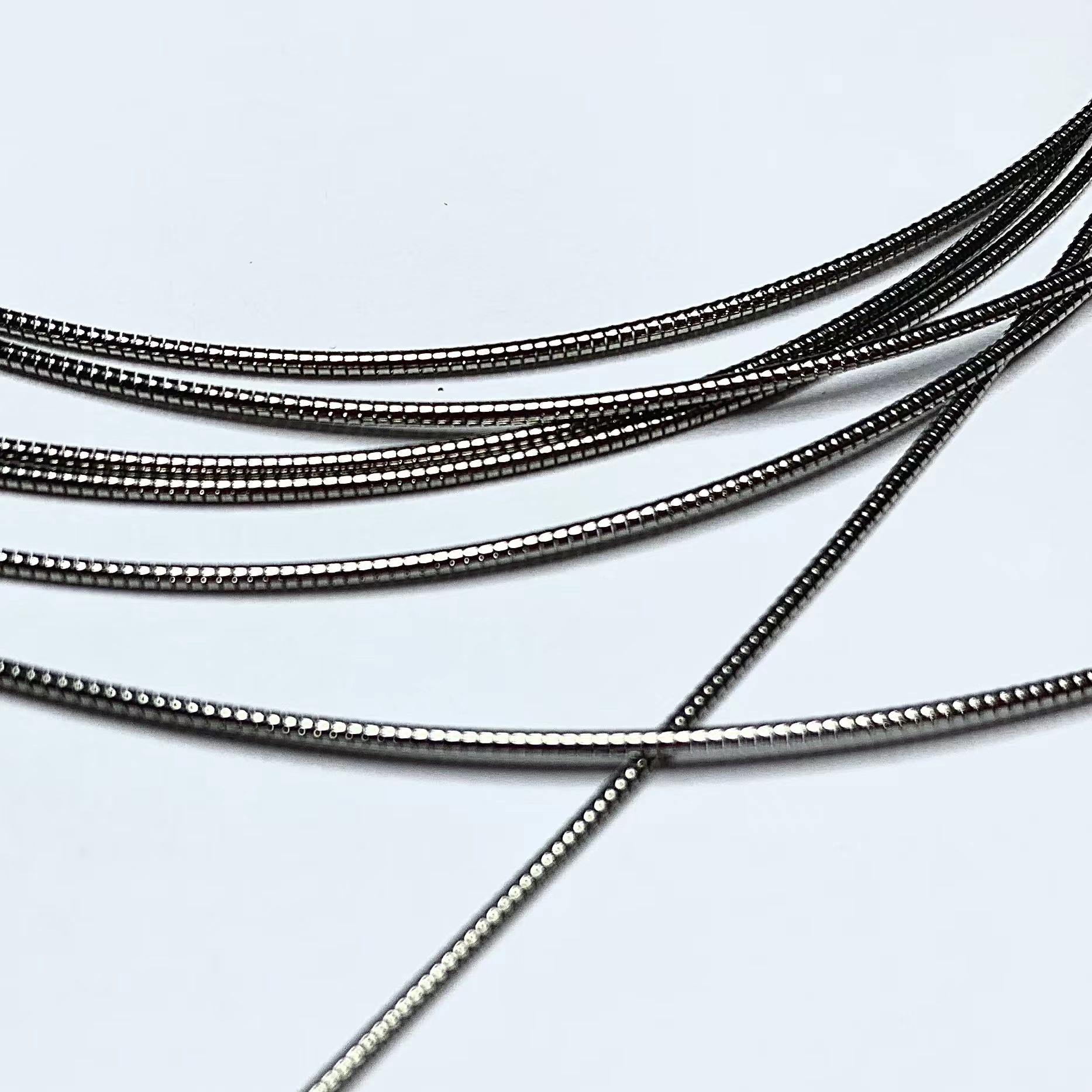
Helical springs, also known as coil springs or simply springs, are a mechanical device made of wire coiled into a spiral or helix shape. These springs are designed to store and release mechanical energy when subjected to forces like compression or tension. The primary function of helical springs is to provide resistance against deformation or displacement. Helical springs have a wide range of applications across various industries due to their ability to absorb and release energy efficiently. Some key points about helical springs......
Helical springs, also known as coil springs or simply springs, are a mechanical device made of wire coiled into a spiral or helix shape. These springs are designed to store and release mechanical energy when subjected to forces like compression or tension. The primary function of helical springs is to provide resistance against deformation or displacement. Helical springs have a wide range of applications across various industries due to their ability to absorb and release energy efficiently. Some key points about helical springs......
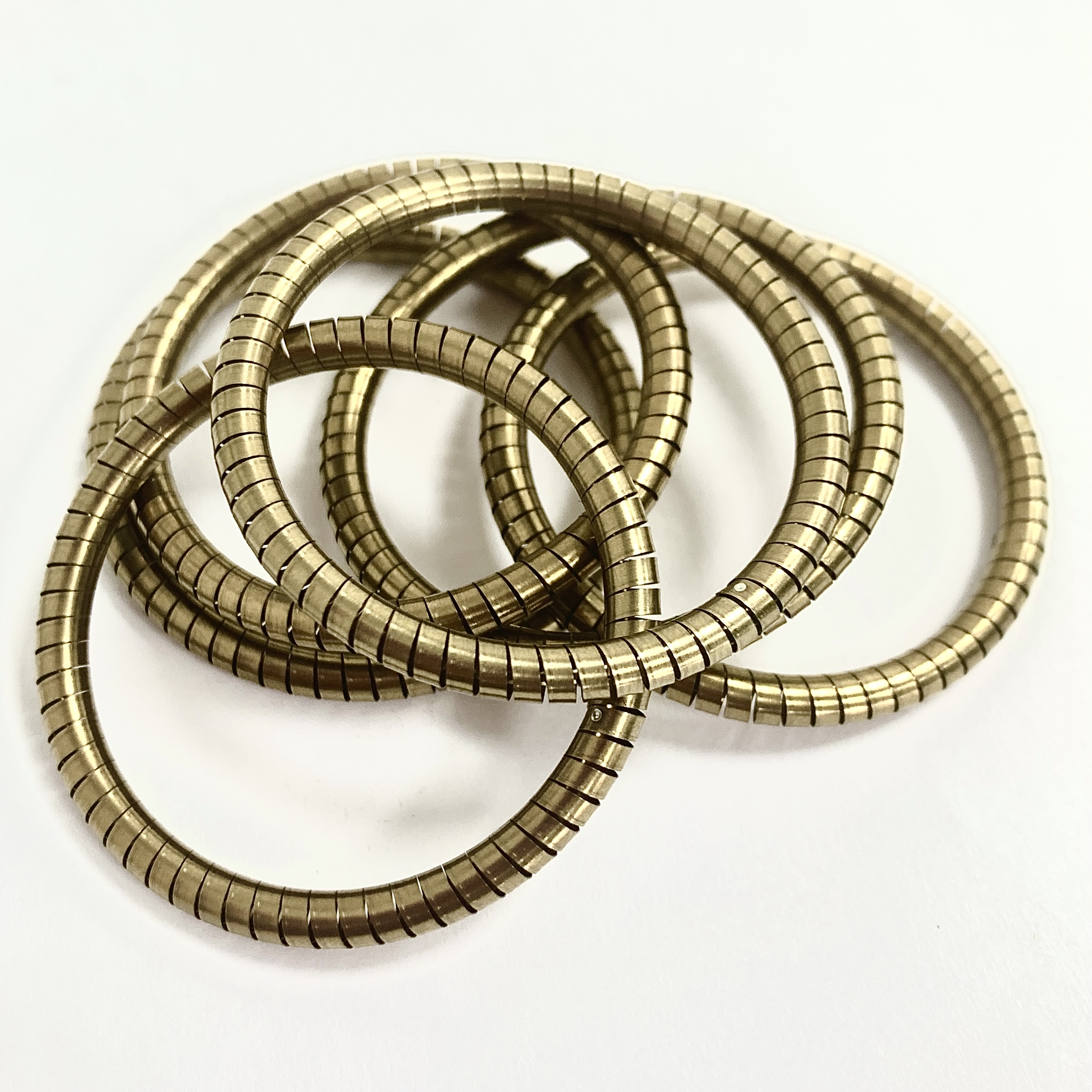
Closed coil and open coil helical springs are two common types of helical springs, and they differ primarily in their design and intended applications. Here are the main differences between closed coil and open coil helical springs: Design: Closed Coil Springs: Closed coil springs have a continuous, closely wound design with no gaps or spaces between the coils. They form a solid, continuous helix. Open Coil Springs: Open coil springs, as the name suggests, have gaps or spaces between the coils. They are......
Closed coil and open coil helical springs are two common types of helical springs, and they differ primarily in their design and intended applications. Here are the main differences between closed coil and open coil helical springs: Design: Closed Coil Springs: Closed coil springs have a continuous, closely wound design with no gaps or spaces between the coils. They form a solid, continuous helix. Open Coil Springs: Open coil springs, as the name suggests, have gaps or spaces between the coils. They are......
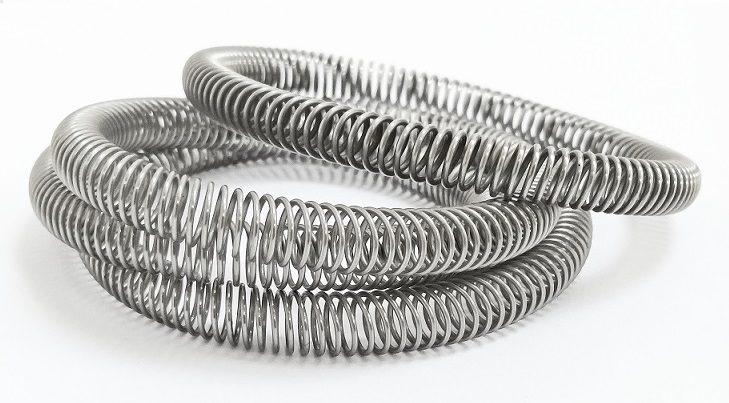
A canted coil spring, also known as a slant coil spring or simply a canted spring, is a type of helical spring with a unique design. Unlike traditional coil springs, they are wound at an angle or with a slant to the axis of the coil. This design imparts specific properties and advantages to canted coil springs, making them suitable for certain applications. Here are some key characteristics and uses of canted coil spring: Slanted Windings: Canted coil springs have their coil windings oriented at an......
A canted coil spring, also known as a slant coil spring or simply a canted spring, is a type of helical spring with a unique design. Unlike traditional coil springs, they are wound at an angle or with a slant to the axis of the coil. This design imparts specific properties and advantages to canted coil springs, making them suitable for certain applications. Here are some key characteristics and uses of canted coil spring: Slanted Windings: Canted coil springs have their coil windings oriented at an......
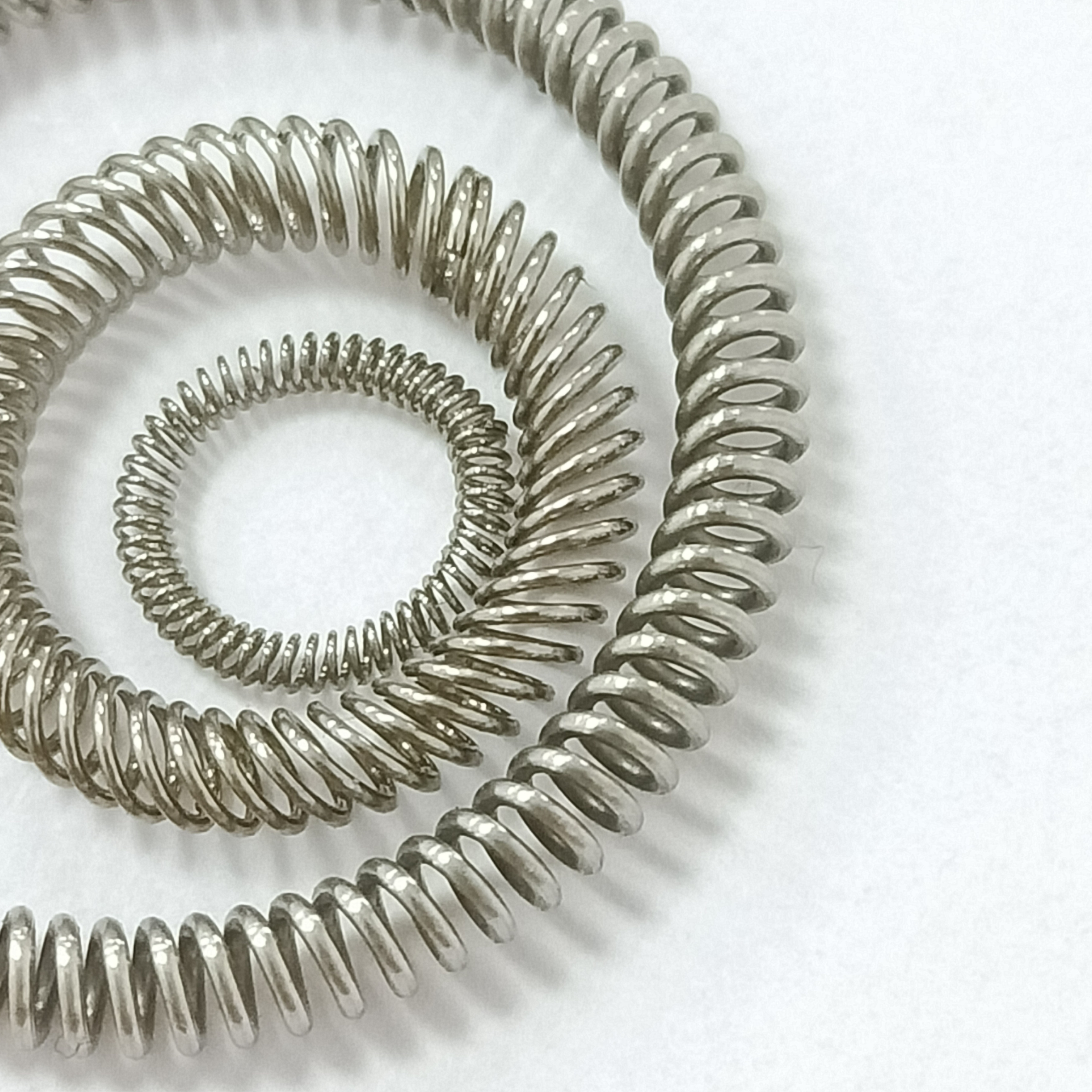
Canted coil springs, often referred to simply as canted springs, are a type of helical spring with a unique design characterized by their canted or slanted coils. The term "canted" means that the coils of the spring are not perpendicular to the central axis but are instead at an angle to it. This design imparts some distinct properties and advantages to canted coil springs, making them suitable for specific applications. Here are key features and uses of canted coil springs: 1. Constant Force: Canted......
Canted coil springs, often referred to simply as canted springs, are a type of helical spring with a unique design characterized by their canted or slanted coils. The term "canted" means that the coils of the spring are not perpendicular to the central axis but are instead at an angle to it. This design imparts some distinct properties and advantages to canted coil springs, making them suitable for specific applications. Here are key features and uses of canted coil springs: 1. Constant Force: Canted......
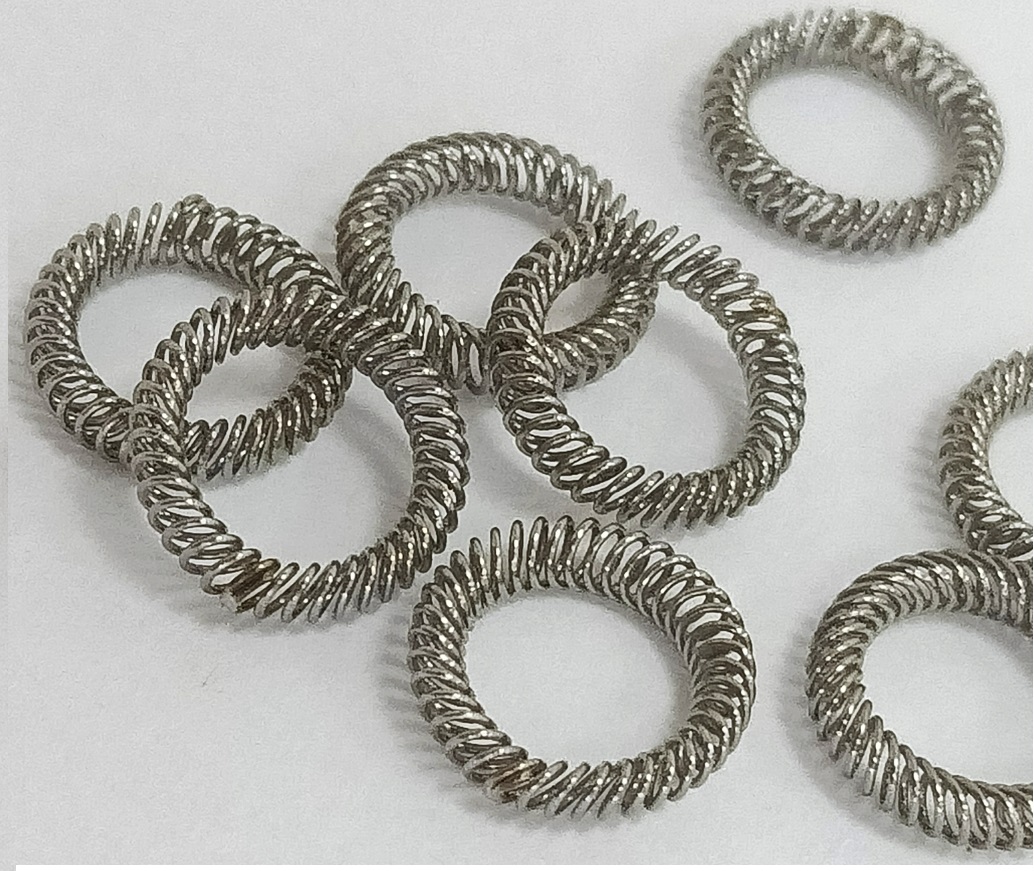
Yes, the orientation of canted coil springs can matter in certain applications. Canted coil springs, also known as slant coil springs or helical wound springs, are designed with a unique geometry where the coils are not perpendicular to the spring axis but are canted or slanted. This design provides some advantages, such as increased deflection and load capacity compared to traditional compression springs. The orientation of canted coil springs can affect their performance in the following ways: Load-Bearing Direction: Canted coil springs are typically designed to......
Yes, the orientation of canted coil springs can matter in certain applications. Canted coil springs, also known as slant coil springs or helical wound springs, are designed with a unique geometry where the coils are not perpendicular to the spring axis but are canted or slanted. This design provides some advantages, such as increased deflection and load capacity compared to traditional compression springs. The orientation of canted coil springs can affect their performance in the following ways: Load-Bearing Direction: Canted coil springs are typically designed to......
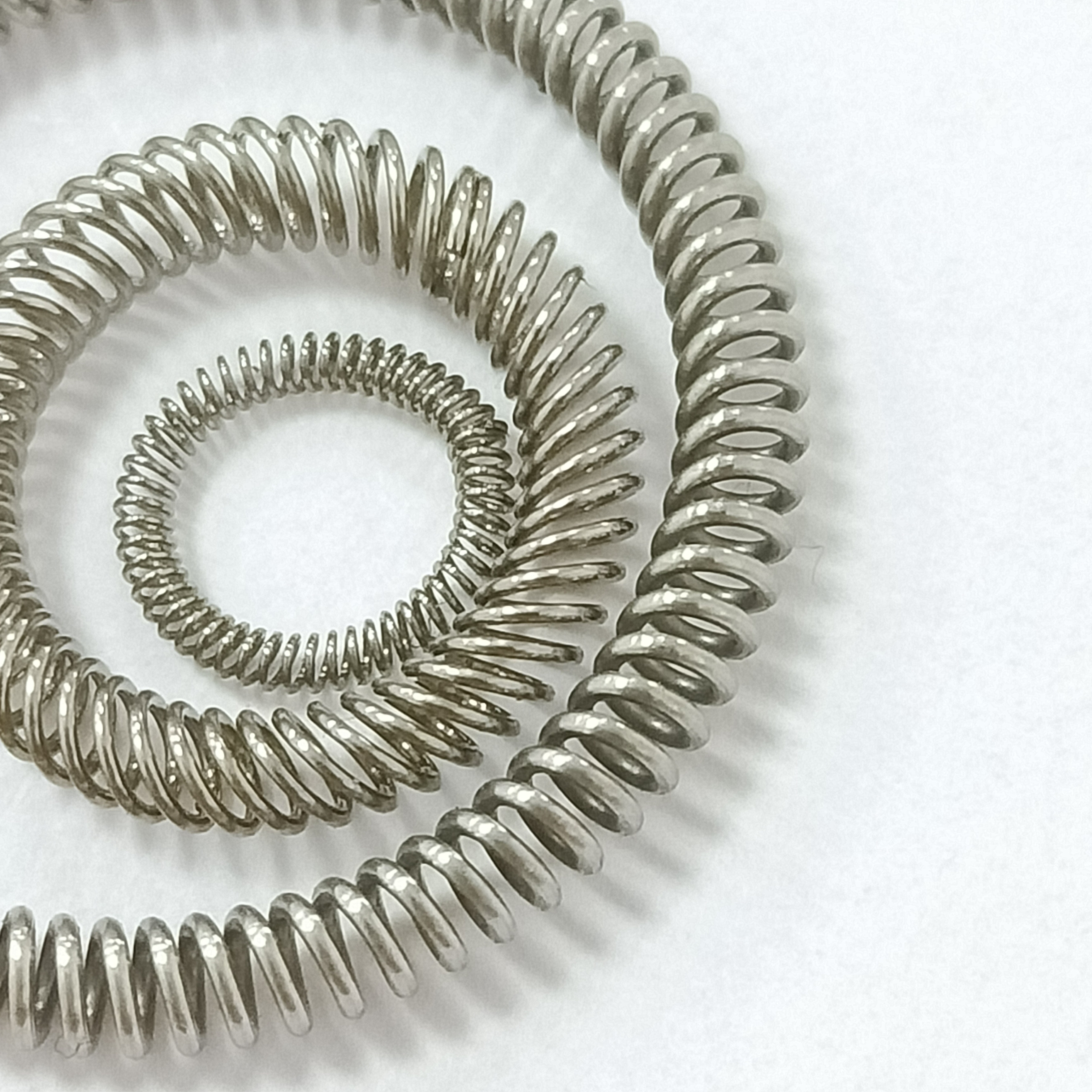
Canted coil springs can indeed be used in spring-energized seals. Spring-energized seals are a type of sealing solution used to prevent the leakage of fluids or gases in various industrial applications. These seals rely on the use of a spring to provide a consistent radial force against a sealing element, ensuring a reliable and tight seal.Canted coil springs are well-suited for this purpose due to their unique design, which allows them to provide a controlled and consistent load or force. Here's......
Canted coil springs can indeed be used in spring-energized seals. Spring-energized seals are a type of sealing solution used to prevent the leakage of fluids or gases in various industrial applications. These seals rely on the use of a spring to provide a consistent radial force against a sealing element, ensuring a reliable and tight seal.Canted coil springs are well-suited for this purpose due to their unique design, which allows them to provide a controlled and consistent load or force. Here's......
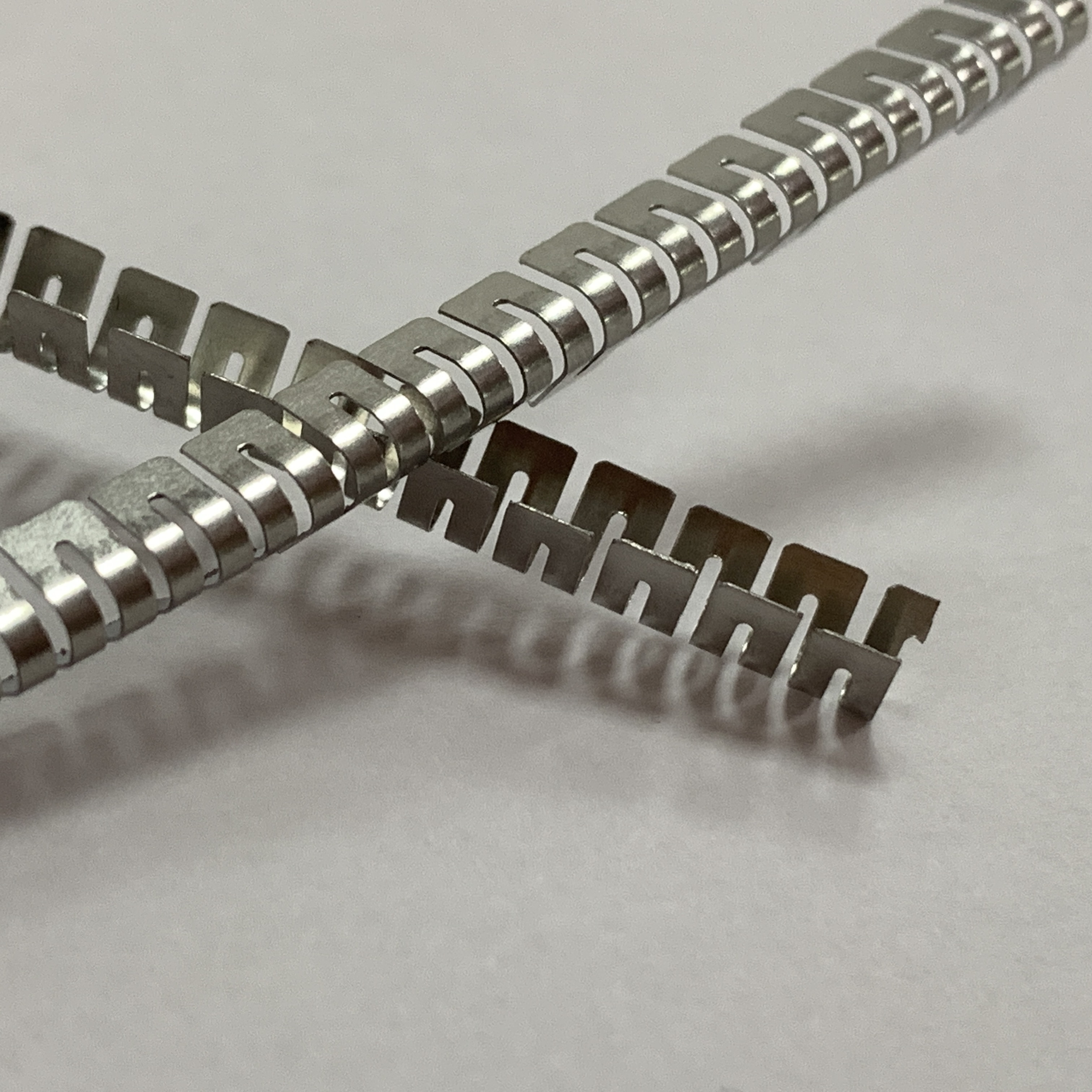
"V Springs" refers to a specific type of spring design known as a V-spring or V-shaped springs. V-springs are a type of compression spring, but their unique design sets them apart. Instead of the traditional cylindrical coil shape found in most compression springs, they are shaped like the letter "V" when viewed from the side. Key characteristics of V springs include: V-Shaped Design: The spring's wire is wound in a V-shaped pattern. This design provides several advantages, such as increased load capacity,......
"V Springs" refers to a specific type of spring design known as a V-spring or V-shaped springs. V-springs are a type of compression spring, but their unique design sets them apart. Instead of the traditional cylindrical coil shape found in most compression springs, they are shaped like the letter "V" when viewed from the side. Key characteristics of V springs include: V-Shaped Design: The spring's wire is wound in a V-shaped pattern. This design provides several advantages, such as increased load capacity,......
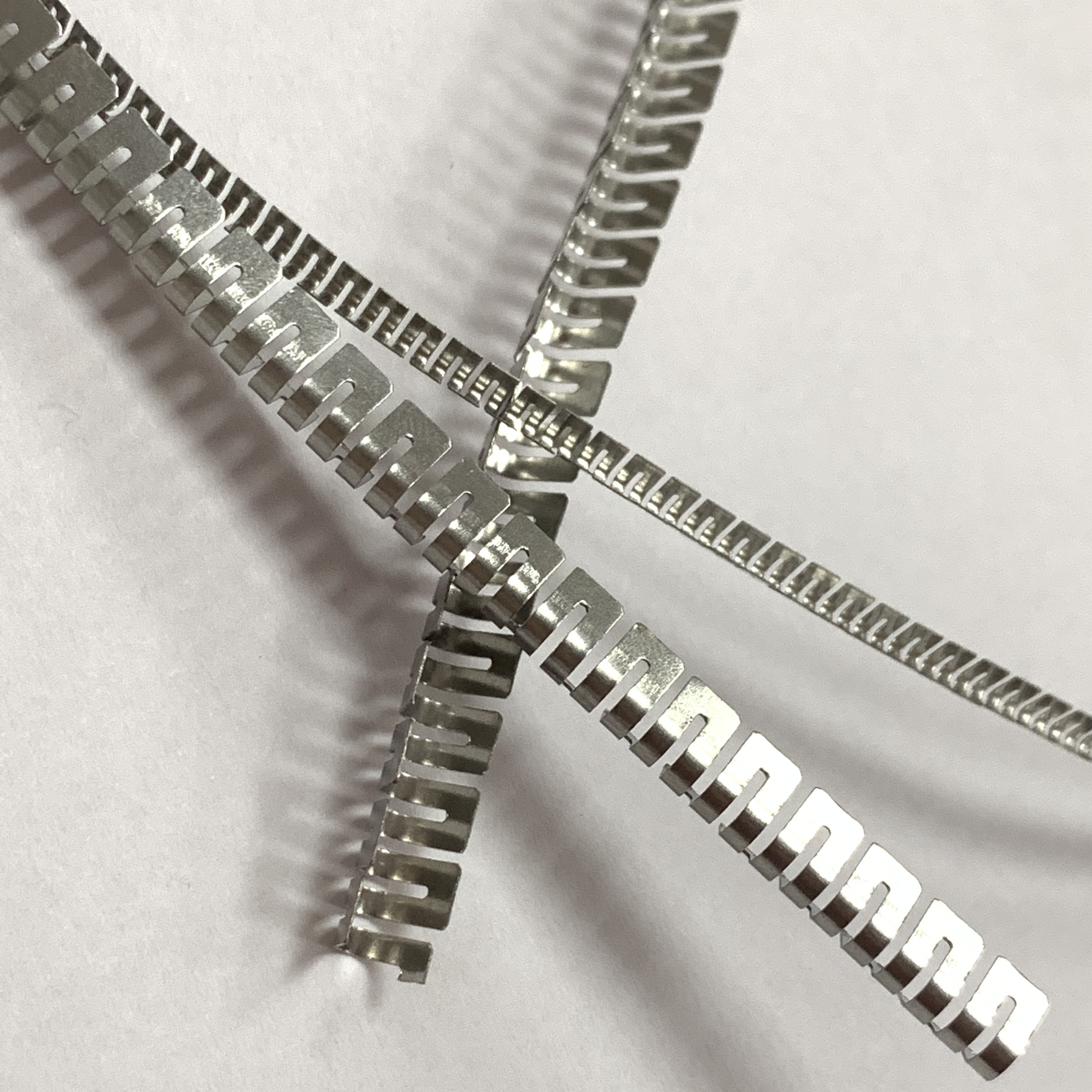
Designing a cantilever V-spring for optimal load involves considering several factors, including the material, geometry, dimensions, and operating conditions. Here are some key design considerations of Cantilever V-spring: Material Selection: Choose the appropriate material for the V-spring based on the load requirements and environmental conditions. Materials like stainless steel or other corrosion-resistant alloys are commonly used. The material's mechanical properties, such as tensile strength and elastic modulus, are crucial for determining the spring's load capacity. V-Spring Geometry: The geometry of the V-spring......
Designing a cantilever V-spring for optimal load involves considering several factors, including the material, geometry, dimensions, and operating conditions. Here are some key design considerations of Cantilever V-spring: Material Selection: Choose the appropriate material for the V-spring based on the load requirements and environmental conditions. Materials like stainless steel or other corrosion-resistant alloys are commonly used. The material's mechanical properties, such as tensile strength and elastic modulus, are crucial for determining the spring's load capacity. V-Spring Geometry: The geometry of the V-spring......
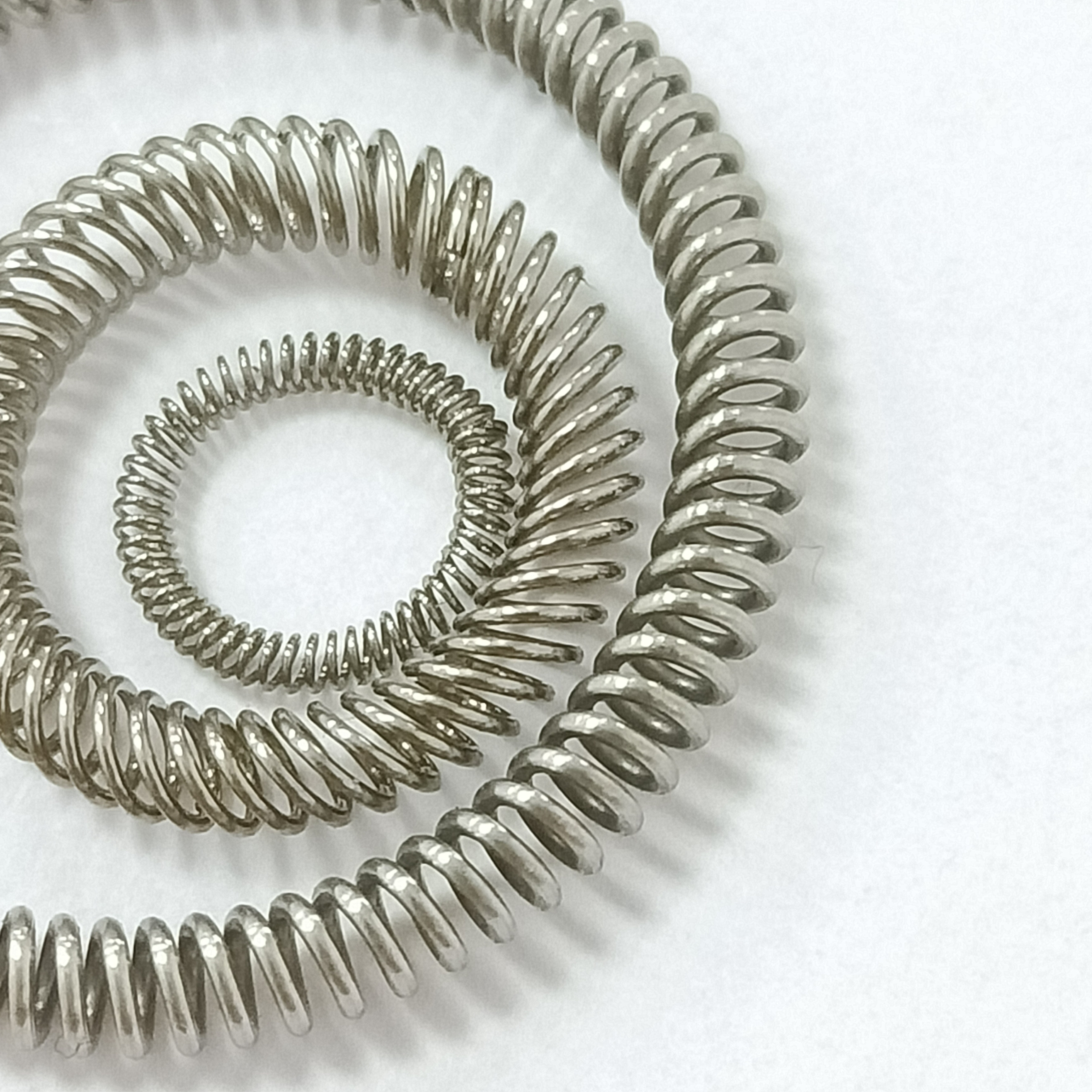
The application of oblique Canted coil springs in energy boosters mainly involves providing pressure or force in sealing systems and related equipment to ensure effective sealing performance. Boosters typically refer to inclined Canted coil springs energy components that are used in various engineering and industrial applications to maintain reliable sealing or protection. The following are some applications of Canted coil springs in energy amplifiers: Seal energy booster: In hydraulic and pneumatic sealing systems, inclined coil springs are used as energy boosters for seals. They provide additional pressure to ensure......
The application of oblique Canted coil springs in energy boosters mainly involves providing pressure or force in sealing systems and related equipment to ensure effective sealing performance. Boosters typically refer to inclined Canted coil springs energy components that are used in various engineering and industrial applications to maintain reliable sealing or protection. The following are some applications of Canted coil springs in energy amplifiers: Seal energy booster: In hydraulic and pneumatic sealing systems, inclined coil springs are used as energy boosters for seals. They provide additional pressure to ensure......
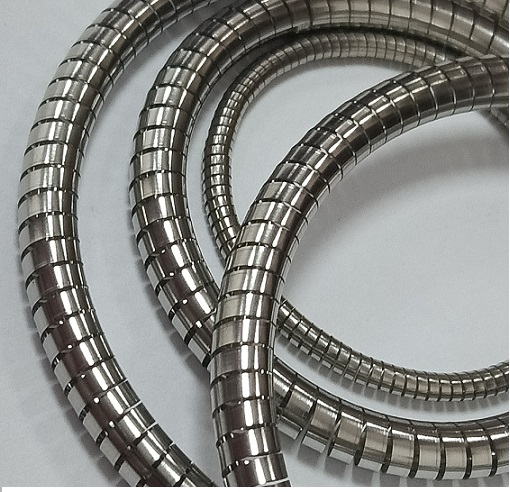
Helical spring, commonly known as coil spring, is subjected to various stresses when they are loaded. The major stresses in a helical spring include: Axial Stress (Tensile or Compressive Stress): When a load is applied along the axis of the spring (either in tension or compression), the spring experiences axial stress. This stress results from the stretching or compressing of the spring material and is responsible for the spring's ability to store and release mechanical energy. Shear Stress: Shear stress......
Helical spring, commonly known as coil spring, is subjected to various stresses when they are loaded. The major stresses in a helical spring include: Axial Stress (Tensile or Compressive Stress): When a load is applied along the axis of the spring (either in tension or compression), the spring experiences axial stress. This stress results from the stretching or compressing of the spring material and is responsible for the spring's ability to store and release mechanical energy. Shear Stress: Shear stress......